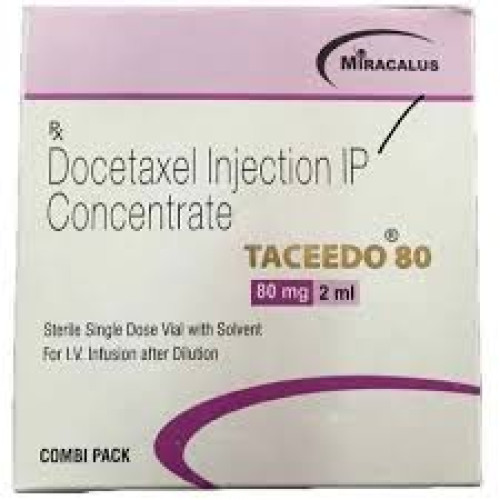
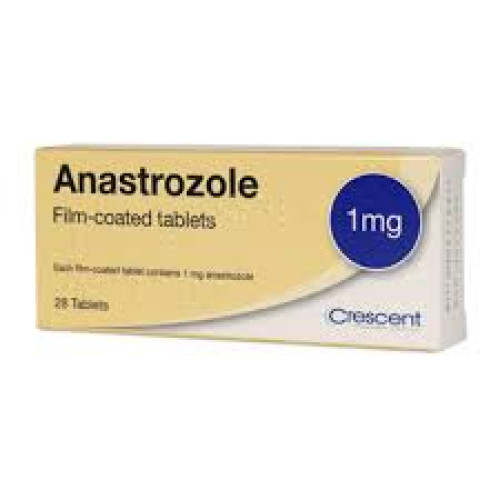
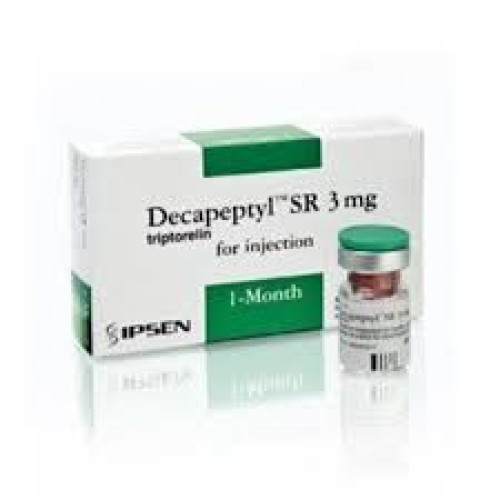
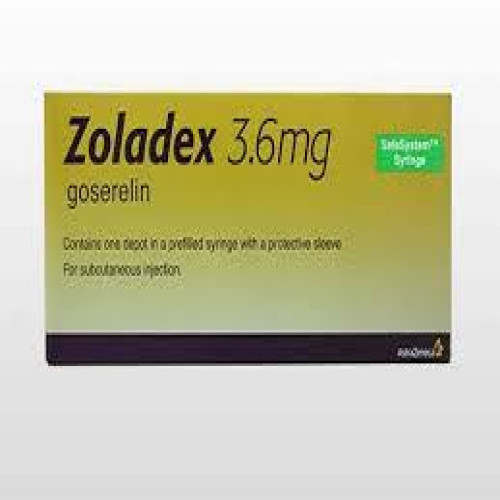
We are your trusted health partner. Local doorstep deliveries is within the hour .We are Licensed and Regulated by the Pharmacist's Council of Nigeria(PCN).Prices displayed here may differ due to inflation.
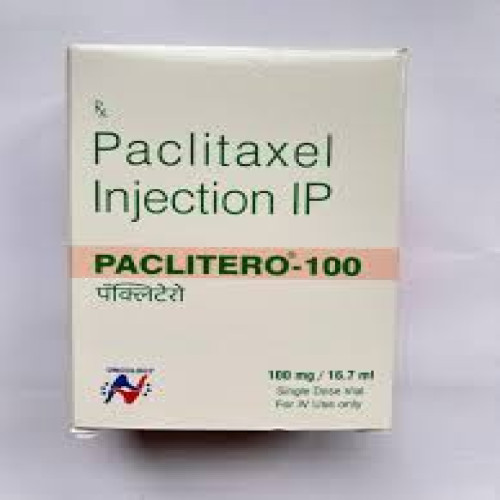
Paclitaxel is a prescription-only, high-potency taxane chemotherapy medication. It is administered exclusively via an intravenous (IV) infusion inside a specialized oncology daycare unit or hospital ward. It is used to treat various advanced, metastatic, or aggressive malignancies, including breast, ovarian, and non-small cell lung cancers, as well as AIDS-related Kaposi's sarcoma.
This medication is widely available under various premium international brands (such as Taxol) as well as verified high-quality generic formulations.
Paclitaxel acts as a powerful cellular roadblock, preventing cancer cells from dividing and multiplying:
Target-Stabilizes Microtubules: Inside every cell, there are tiny structural protein tubes called microtubules, which act like a scaffolding system. Cells must constantly build up and break down these tubes to divide. Paclitaxel binds tightly to these microtubules and freezes them in place.
Arrests Cell Division: By locking the cellular scaffolding, it prevents the cancer cell from splitting into two new cells. This forces the cell cycle to a complete halt (mitotic arrest).
Triggers Programmed Cell Death: Frozen and unable to replicate, the hyperactive cancer cell recognizes the structural failure and undergoes programmed cell death (apoptosis), slowing or reversing tumor growth.
Advanced Ovarian Cancer: Used as a first-line treatment (standardly combined with a platinum drug like cisplatin or carboplatin) or as a secondary therapy for persistent disease.
Metastatic Breast Cancer: Treating advanced breast cancer after standard combination chemotherapy has failed, or as an adjuvant (post-surgery) shield for high-risk node-positive breast cancer.
Non-Small Cell Lung Cancer (NSCLC): First-line management of advanced lung cancer in patients who are not candidates for potentially curative surgery or radiation.
AIDS-Related Kaposi's Sarcoma: Advanced secondary treatment for this specific vascular tumor when standard therapies have not been effective.
Conventional Paclitaxel is dissolved in a specialized chemical vehicle called Cremophor EL (polyoxyethylated castor oil) to allow it to mix with water. This vehicle carries a high risk of triggering severe, life-threatening allergic reactions (anaphylaxis), causing a dangerous drop in blood pressure, breathing spasms, and hives.
🚨 The Strict Premedication Protocol: To completely prevent this severe reaction, every patient must receive a precise cocktail of protective medications before every single Paclitaxel infusion. This standardly includes an IV corticosteroid (Dexamethasone), an IV antihistamine ($H_1$-antagonist like Diphenhydramine), and an IV $H_2$-antagonist (like Ranitidine or Cimetidine), administered roughly 30 to 60 minutes prior to the chemotherapy.
It temporarily suppresses your bone marrow, causing a sharp drop in your white blood cells (neutropenia), which weakens your immune system. Your oncology team will verify a Complete Blood Count (FBC) before every single cycle to ensure your blood counts have recovered safely.
Pregnancy and Breastfeeding: Paclitaxel is strictly contraindicated. It crosses the placenta and causes severe fetal toxicity or death. Reliable non-hormonal birth control must be used throughout therapy. It should not be used while nursing.
Severe baseline neutropenia (white blood cell count $< 1,500\text{ cells/mm}^3$).
Strictly Professional Clinical IV Use Only: Paclitaxel must never be given as a rapid injection. It is administered as a slow, controlled intravenous infusion running over 3 hours or 24 hours (depending on your specific protocol) every 3 weeks.
Specialized Non-PVC Tubing: The chemical vehicle can leach dangerous plastic toxins out of standard IV bags. Because of this, medical teams must prepare and run the drug exclusively using non-PVC (polyvinyl chloride) infusion bags and specialized line tubing equipped with an in-line filter.
Vigilant Site Tracking: The clinical nurse will closely watch your injection site throughout the infusion. If the drug accidentally leaks out of the vein into the surrounding arm tissue (extravasation), it can cause severe tissue irritation and localized damage.
1.Verify FBC parameters are completely safe:Blood Count Clearance.
The oncology nurse checks your morning blood test results to ensure your white blood cells and platelets are at a safe baseline before starting the session.
2.Administer the pre-chemo medication cocktail:Allergy Shield.
Receive your protective IV doses of dexamethasone and antihistamines to block potential allergic reactions to the infusion vehicle.
3.Run the Paclitaxel smoothly over 3 hours:Controlled Infusion.
The drug is infused slowly through non-PVC lines containing an in-line filter, while the nursing team routinely tracks your pulse, blood pressure, and breathing.
4.Monitor at home and track your temperature:Home Instructions.
Rest at home following the session. Use a thermometer to monitor your temperature daily and watch for any unexpected signs of an active infection.
As your system interacts with this intensive chemotherapy compound, you will experience typical systemic updates:
Total Hair Loss (Alopecia): Rapid and complete loss of body hair, including scalp hair, eyebrows, and eyelashes (highly common, standardly beginning 2 to 3 weeks after your first cycle). Hair grows back after treatment ends.
Peripheral Neuropathy: A persistent numbness, tingling, burning sensation, or "pins-and-needles" pain in your fingers and toes.
Muscle and joint pain (arthralgia/myalgia), which standardly develops 2 to 3 days after the infusion and resolves within a week.
Mild nausea, temporary diarrhea, mouth sores (mucositis), or low red blood cells causing fatigue.
What signs of an infection require immediate emergency hospital attention?
Because Paclitaxel lowers your immune cells, a minor infection can rapidly become life-threatening. Contact your oncology team or rush to the nearest emergency room immediately if you develop a fever of 38°C (100.4°F) or higher, uncontrollable chills, severe sweating, a new cough, burning when urinating, or sudden shortness of breath.
Is there a form of Paclitaxel that does not require the premedication allergy cocktail?
Yes. There is an advanced, specialized formulation known as Nab-Paclitaxel (Nanoparticle Albumin-Bound Paclitaxel). This version binds the active drug to natural human protein particles instead of using the castor oil vehicle. Because it completely eliminates the toxic vehicle, it carries a much lower risk of severe allergic reactions and does not require standard steroid premedications.
How does Paclitaxel affect my nails and skin?
It can cause your fingernails and toenails to become brittle, develop dark bands, or loosen from the nail bed over multiple cycles. Your skin may also become dry, sensitive to sunlight, or develop mild hyperpigmentation. Keep your skin hydrated with gentle moisturizers and avoid direct sun exposure.
Advanced intravenous oncology therapies require absolute temperature regulation, specialized handling protocols, and rigorous supply chain validation to guarantee active ingredient stability and protect patient safety. Institutional hospital procurement, emergency oncology day-case stock replenishment, and verified batch delivery can be securely coordinated via Sanlive Pharmacy & Stores for rapid, climate-controlled, and tamper-evident delivery directly to registered cancer centers, teaching hospitals, and accredited private oncology wings within Lagos, Abuja, Port Harcourt, and nationwide via our authenticated clinical logistics networks.
Important Notice: This information is for educational and institutional procurement support purposes only. Paclitaxel is an ultra-high-potency cytotoxic chemotherapy agent. All preparation, dosing calculations, and infusions must be managed exclusively under the direct, physical supervision of a registered Consultant Oncologist or oncology practitioner. If a patient shows signs of an immediate hypersensitivity reaction during the infusion (such as sudden facial flushing, severe shortness of breath, chest tightness, or a rapid drop in blood pressure), halt the infusion immediately and activate emergency life-support protocols.
No reviews yet — be the first!
Log in to write a review.

.jpg)