We are your trusted health partner. Local doorstep deliveries is within the hour .We are Licensed and Regulated by the Pharmacist's Council of Nigeria(PCN).Prices displayed here may differ due to inflation.
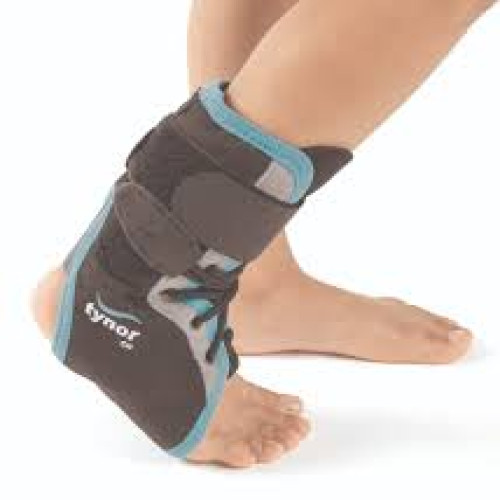
An ankle brace is an over-the-counter (OTC) orthopedic supportive device designed to stabilize the ankle joint, reduce painful swelling, protect weak ligaments, and accelerate recovery from sports injuries or mild sprains.
An ankle brace acts as an external reinforcement system for your foot and lower leg, providing direct physical protection to the joint:
Ligament Offloading: By compressing the joint, it limits excessive side-to-side twisting movements (like inward rolling or inversion). This takes the physical strain off damaged or overstretched ligaments, allowing them to heal in a stable position.
Therapeutic Compression: The tight, elastic weave applies continuous pressure to the soft tissues. This structural compression helps your body drain fluid buildup, rapidly reducing localized inflammation and throbbing swelling.
Proprioception Boost: The physical sensation of the brace snug against your skin enhances your brain's positional awareness (proprioception). This improves your natural foot placement, preventing accidental re-injury during active movement.
Ankle Sprains & Strains: Supporting and stabilizing the ankle after stretching or tearing key lateral ligaments (such as the anterior talofibular ligament).
Post-Cast or Post-Injury Recovery: Protecting the joint as you transition back to normal walking or weight-bearing exercises after a fracture or severe injury.
Chronic Joint Instability: Preventing frequent, painful rolling or giving-way of weak ankles during daily activities or physical exercise.
Arthritis & Tendonitis Support: Reducing morning stiffness, dull aches, and swelling caused by joint wear-and-tear or inflamed tendons (like Achilles tendonitis).
The Dependency Trap (Muscle Weakness): Do not wear an ankle brace 24/7 for weeks on end unless explicitly directed by an orthopedic specialist. Overusing a rigid support device causes the stabilizing muscles and tendons in your lower leg to become lazy and weak. Use the brace for protection during active movement, and practice daily ankle strengthening and balance exercises to rebuild your body's natural strength.
Severe Undiagnosed Fractures: If your ankle cannot bear any physical weight at all, looks heavily deformed, or went completely numb immediately after an injury, do not try to brace it yourself. These are signs of a severe bone fracture or dislocation that requires an immediate X-ray.
Circulatory Issues: Avoid wearing the brace excessively tight if you suffer from severe peripheral neuropathy, diabetes, or poor blood circulation in your legs, as deep constriction can reduce blood flow or hide pressure sores.
The Snug-Not-Numb Rule: Your brace must feel firm and highly supportive, but it should never cut off your blood circulation. If your toes start to feel cold, turn a pale color, or experience a pins-and-needles tingling sensation, loosen the straps immediately.
Wear with a Sock: To prevent painful skin friction, blisters, and sweat rashes, always pull a clean, moisture-wicking athletic sock onto your foot before putting the brace on.
1.Slip your foot into the sleeve or stirrup:Positioning.
Sit down comfortably. Pull the sleeve over your foot or place your heel securely into the designated center cup or stirrup zone of the brace.
2.Wrap the primary straps in a cross pattern:The Figure-8 Lock.
If using a strap or lace-up model: Pull the compression straps firmly upward, crossing them over the top of your ankle in a "Figure-8" pattern to mimic natural ligament support.
3.Secure the fasteners tightly above the joint:Anchoring.
Wrap the final anchor straps around your lower leg just above the ankle bone and secure the hook-and-loop (Velcro) fasteners smoothly.
4.Test your mobility and slide into a shoe:The Fit Check.
Wiggle your toes to ensure proper blood flow. Slip your foot into a supportive lace-up sneaker or athletic shoe, and take a few slow practice steps to confirm the brace feels stable and comfortable.
Sleeve Supports (Mild): Elasticized pull-on sleeves that provide light compression and soothing warmth. Best for mild stiffness, minor aches, and everyday joint comfort.
Strap & Lace-Up Braces (Moderate): Highly adjustable fabric braces featuring cross-straps. They provide excellent custom stabilization for recovering sprains and active sports protection.
Rigid Hinged Braces (Maximum): Feature tough plastic side guards with built-in hinges. They strictly block side-to-side rolling while allowing comfortable forward-and-backward walking motions. Best for chronic instability and severe sprained ligament recovery.
Because it is an external orthopedic support device, side effects are purely structural and localized:
Minor skin redness, temporary indentations, or mild itching from the compression seams after a long day of wear.
Brief local sweating or a localized heat rash if worn in hot weather without a clean, breathable cotton sock underneath.
Should I sleep with my ankle brace on at night?
No, standardly you should remove your ankle brace before going to sleep. When you are lying down flat in bed, your ankle is completely non-weight-bearing and does not need physical stabilization. Removing the device at night allows your skin to breathe, restores completely unhindered blood flow, and prevents unnecessary skin pressure marks.
How do I clean my ankle brace safely without ruining it?
To protect the elastic fibers and secure Velcro straps, do not throw your brace into a washing machine or hot dryer. Hand wash it in a basin of cool water using a mild soap. Rinse it thoroughly, gently squeeze out excess water, and lay it completely flat to air dry in a shaded area.
Can I wear an ankle brace inside any type of shoe?
Lace-up sneakers, running shoes, and structured athletic boots are ideal because you can loosen the laces easily to accommodate the extra bulk of the brace. Avoid trying to squeeze an ankle brace into tight dress shoes, high heels, or slip-on loafers, as this can cause painful pressure points against your foot bones.
To avoid low-quality elastic bands that lose their compression strength within a few uses, always ensure you source verified, medical-grade orthopedic sports supports. You can purchase genuine, factory-sealed Ankle Braces (available in various sizes and adjustable styles from trusted medical brands) online through Sanlive Pharmacy & Stores for secure payment and fast, reliable same-day delivery directly to your home, office, or clinic within Lagos, Abuja, and Port Harcourt. We also provide nationwide delivery through our trusted logistics partners to send your vital physical therapy and mobility supports safely wherever you are.
Important Notice: This information is for educational support purposes only. Orthopedic supports are designed to aid recovery, not to replace professional medical care. If you heard a loud "pop" sound at the moment of injury, experience severe bruising that tracks rapidly up your leg, or face a complete inability to stand or step on your heel, seek an immediate physical diagnostic evaluation from an orthopedic specialist or physiotherapist.
No reviews yet — be the first!
Log in to write a review.