We are your trusted health partner. Local doorstep deliveries is within the hour .We are Licensed and Regulated by the Pharmacist's Council of Nigeria(PCN).Prices displayed here may differ due to inflation.
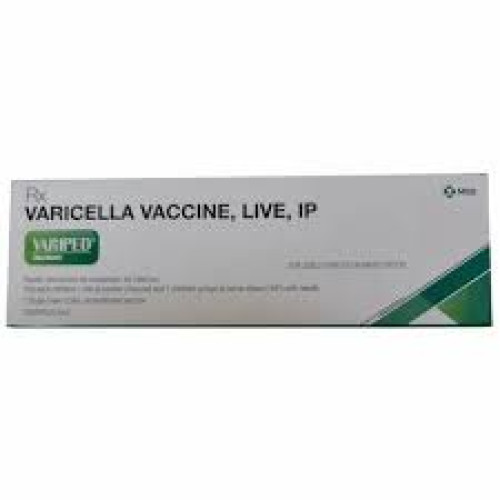
The Varicella vaccine is a live-attenuated vaccine (using a weakened form of the virus) designed to provide long-term immunity against the Varicella-zoster virus. This virus is the primary cause of Chickenpox and can later lead to Shingles. By introducing a weakened version of the virus, the vaccine "trains" the immune system to recognize and fight the actual disease if exposed in the future.
This vaccine is primarily indicated for the prevention of Varicella (Chickenpox). It is used to:
Prevent the highly contagious skin rash, blisters, and itching associated with Chickenpox.
Reduce the risk of severe complications, such as bacterial skin infections, pneumonia, and brain inflammation (encephalitis).
Provide herd immunity, protecting vulnerable individuals who cannot be vaccinated (such as pregnant women or those with weakened immune systems).
Reduce the likelihood of developing Shingles (Herpes Zoster) later in life.
To ensure full protection, a two-dose series is clinically recommended:
Children (12 months to 12 years):
First Dose: Usually administered between 12 and 15 months of age.
Second Dose: Usually administered between 4 and 6 years of age.
Adolescents and Adults (13 years and older):
Individuals who have never had chickenpox or the vaccine should receive two doses, administered at least 4 to 8 weeks apart.
Note: If a child or adult misses the standard window, "catch-up" doses can be administered at any time.
The Varicella vaccine is a clinical procedure and must be handled with care:
Route: It is administered as a subcutaneous injection (injected into the fatty tissue, usually in the upper arm or the thigh).
Cold Chain: The vaccine must be kept strictly refrigerated until the moment of use to maintain its potency.
Observation: It is standard practice to remain at the clinic for about 15 minutes after the injection to monitor for any rare immediate allergic reactions.
The effectiveness of the vaccine is based on:
Live-Attenuated Varicella Virus (Oka Strain): A weakened version of the virus that triggers an immune response without causing the full disease in healthy individuals.
Stabilizers: Small amounts of gelatin or sucrose are often included to keep the vaccine stable during storage.
Indicated For: All children over 12 months, teenagers, and adults who have not previously had chickenpox.
Precautions: Healthcare workers and travelers to regions where chickenpox is common are strongly encouraged to get vaccinated.
Contraindications:
Pregnant Women: Should not receive the vaccine and should wait until after delivery.
Immune Compromised: Individuals with severe HIV/AIDS, cancer, or those on high-dose steroids should consult their specialist.
Allergies: Those with a severe allergy to Neomycin or Gelatin should inform the clinician.
Q: Can I still get chickenpox after being vaccinated?
A: Yes, it is possible (known as "breakthrough" chickenpox), but it is very rare. If it does occur, the symptoms are usually much milder, with fewer blisters and little to no fever.
Q: Is the vaccine safe?
A: Yes, the Varicella vaccine is highly safe. The most common side effects are mild soreness at the injection site, a low-grade fever, or a very mild, non-contagious rash.
Q: How long does the protection last?
A: Studies show that the two-dose series provides high levels of protection for at least 10 to 20 years, and likely for a lifetime.
You can access the Varicella Vaccine through Sanlive Pharmacy and Stores. We maintain a strict medical cold chain to ensure every vaccine dose is stored at the correct temperature for maximum efficacy. Our licensed pharmacists can provide guidance on the correct schedule for you or your child.
We provide professional vaccination services and consultations at our locations in Lagos and Abuja. Whether you are looking for routine childhood immunizations or adult catch-up doses, we ensure a safe, sterile, and professional environment for your healthcare needs.
Contact Sanlive Pharmacy today to schedule your vaccination or for expert health advice.
No reviews yet — be the first!
Log in to write a review.

.jpg)