We are your trusted health partner. Local doorstep deliveries is within the hour .We are Licensed and Regulated by the Pharmacist's Council of Nigeria(PCN).Prices displayed here may differ due to inflation.
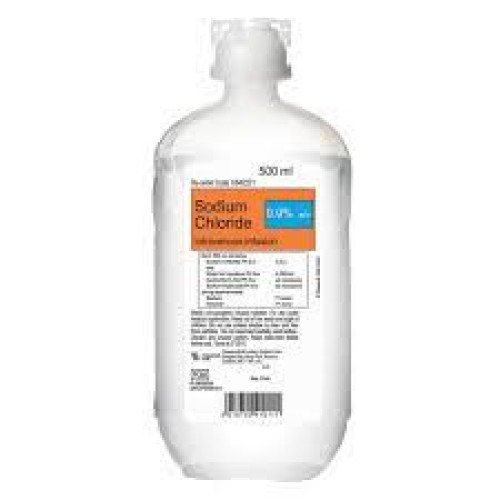
A sterile, medical-grade saltwater solution delivered into a vein to restore body fluids, treat dehydration, and carry other medications into the bloodstream.
0.9% Sodium Chloride Infusion—commonly known as Normal Saline—is an isotonic crystal fluid solution.
The term "isotonic" means that the concentration of salt and water in this fluid is a near-perfect match to the natural fluid balance found inside human blood and tissue plasma.
When a healthcare professional infuses this solution directly into a vein, it performs several immediate actions:
Refills the Bloodstream: It rapidly expands the volume of fluid flowing through your circulatory system, stabilizing a dangerously low blood pressure.
Hydrates Tissue Cells: It delivers essential sodium ($Na^+$) and chloride ($Cl^-$) mineral ions directly into your extracellular spaces, balancing your body's water levels without causing your blood cells to swell up or shrink.
Acts as a Safe Delivery Vehicle: Because it mixes smoothly with blood chemistry, it is widely used to dissolve, dilute, and safely carry injected clinical medications directly into your body.
Dehydration Recovery: Recharging body fluids lost through severe vomiting, heavy diarrhea, profuse sweating, or an inability to drink water.
Shock and Blood Loss Support: Restoring critical blood volume quickly during emergencies, accidents, or heavy bleeding during surgeries.
Electrolyte Correction: Treating conditions where the body's natural sodium levels drop too low (hyponatremia).
Wound and Sterile Cleansing: Washing out deep wounds, open skin burns, or flushing clinical equipment like dialysis machines.
✅ Adults and Children requiring immediate fluid replacement or intravenous medication delivery within a clinic or hospital setting.
❌ Severe Fluid Retention (Edema): Use with extreme caution if you have heavy swelling in your legs, ankles, or feet, as adding more salt water can worsen the fluid buildup.
❌ Advanced Heart Failure: If your heart is too weak to pump blood effectively, introducing large volumes of saline can cause the fluid to back up into your chest, leading to a life-threatening condition called pulmonary edema (fluid in the lungs).
❌ Severe Kidney Disease: If your kidneys cannot filter out waste or urine properly, they will struggle to flush away excess sodium and fluid, putting dangerous stress on your heart.
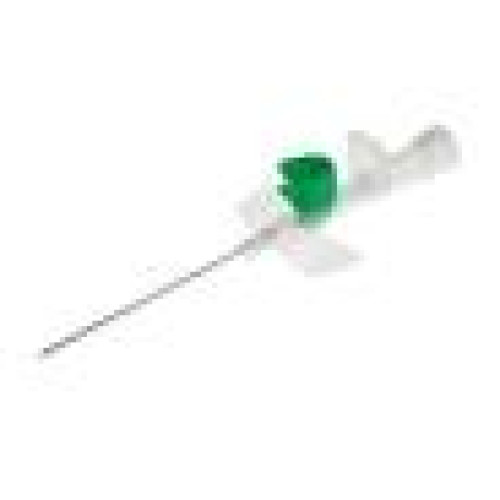
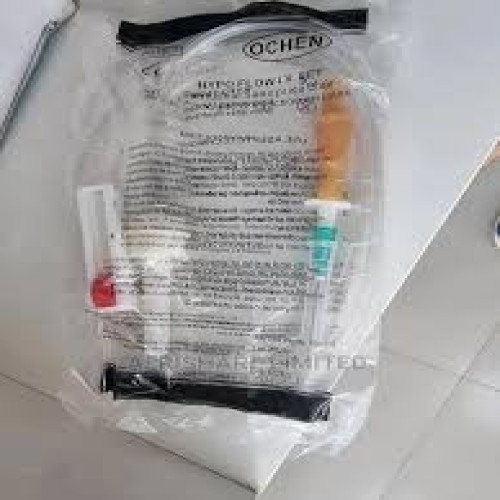
The Route: 0.9% Saline Infusion is administered strictly into a vein (Intravenously via an IV line) using a sterile plastic tube and needle setup.
The Rule: This fluid must always be set up, monitored, and adjusted by a trained medical professional. Never attempt to set up or hang an infusion line yourself at home.
1.Inspect the fluid bag for absolute clarity:Preparation.
A nurse or clinician will check the sterile IV bag. The liquid must be 100% clear and colorless, and the outer plastic seal must be completely unbroken. If the bag looks cloudy, leaked, or has tiny floating particles inside, it is immediately thrown away.
2.Purge all air from the plastic infusion line:Priming.
The healthcare professional inserts the sterile tubing spike into the bag and squeezes the drip chamber. The line is completely flushed with saline fluid to remove every single air bubble before the needle is attached to your vein, preventing a dangerous air embolism.
3.Track the drip speed and watch for swelling:Monitoring.
The fluid drip rate is adjusted exactly to your doctor's orders. While the fluid is running, the medical team regularly checks your pulse, breathing sounds, and the skin around the needle site to make sure the fluid isn't leaking into the surrounding arm tissue.
Because salt water enters your circulation instantly through an IV, the speed of the fluid drip must be tracked carefully:
⚠️ THE FLUID OVERLOAD ALERT: The volume and speed of a saline infusion must be precisely calculated based on your body weight, age, and heart health. Running an IV drip too fast or infusing too many bags in a row can cause "hypernatremia" (excess salt in the blood) and fluid overload. The first warning signs of fluid overload include a sudden cough, shortness of breath, a rapid heart rate, or swelling in your lower eyelids and ankles. If you are receiving an IV and find it suddenly difficult to breathe, tell your nurse immediately.
0.9% Saline is designed to mirror your body's natural fluids, making it exceptionally safe and well-tolerated. However, minor reactions related to the physical IV setup or rapid fluid shifts can occur:
Pain, coldness, mild bruising, or redness right where the needle enters your vein.
Feeling temporarily chilled or shivering if the infusion fluid is cool.
Slightly increased urination as your kidneys work to flush out the extra fluid.
A mild metallic taste in your mouth shortly after the line is opened.
Why is it called "Normal" Saline when it is just salt water?
It is called "normal" simply because its chemical salt concentration ($0.9\%$ grams of sodium chloride per 100ml of water) perfectly mirrors the normal salt concentration found in healthy human blood. Because it matches your body's chemistry so closely, it doesn't cause your blood cells to burst open, making it the safest baseline fluid for medical care.
Can I drink the saline fluid from the bag if I am extremely dehydrated?
No, absolutely not. The liquid inside the bag is formulated specifically for direct entry into your bloodstream and lacks the balanced sugars and minerals your stomach needs for oral rehydration. Drinking it can cause immediate, severe nausea and stomach cramping. If you are able to swallow comfortably, it is always safer and more effective to drink an oral rehydration salt (ORS) solution instead.
What should I do if the skin around my IV needle starts swelling up and hurting?
Alert your healthcare provider immediately. If the area around the needle looks puffy, feels unusually cold, or hurts when the liquid drips, it usually means the IV needle has slipped out of the vein, causing the saline to leak into your arm tissue (infiltration). The nurse will turn off the drip immediately, remove the needle, and start a fresh line in your other arm so your skin can recover.
How can we secure verified, sterile 0.9% Saline Infusion bags for clinical use?
Because intravenous fluids enter the bloodstream directly, they require absolute sterility and factory-certified quality tracking. We deliver genuine, original manufacturer-batch 0.9% Sodium Chloride Saline Infusion bags (available in standard 500ml and 1000ml sizes) straight to your home clinic, private hospital, or residential care address across Nigeria via Sanlive Pharmacy, keeping your medical supplies and emergency hydration care completely safe and continuous.
100% genuine sterile intravenous fluid solution. Quality-assured, batch-tracked, and dispensed under professional healthcare guidelines by licensed pharmacists at Sanlive Pharmacy.
No reviews yet — be the first!
Log in to write a review.

.jpg)