We are your trusted health partner. Local doorstep deliveries is within the hour .We are Licensed and Regulated by the Pharmacist's Council of Nigeria(PCN).Prices displayed here may differ due to inflation.
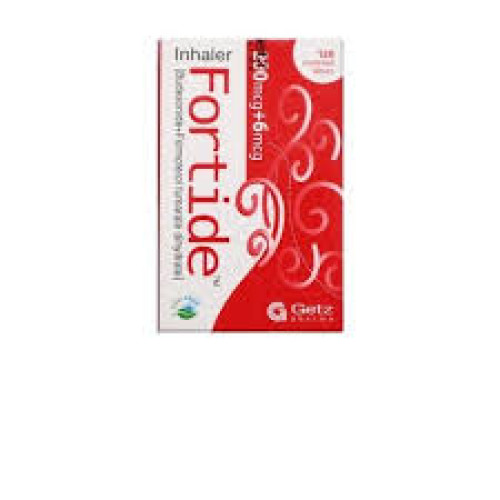
Fortide is a prescription-only, high-potency combination metered-dose inhaler (MDI) designed to manage chronic inflammatory airway diseases. Each metered actuation (puff) delivers a fixed dose of 200mcg of Budesonide and 6mcg of Formoterol Fumarate Dihydrate.
Manufactured under strict international quality standards and registered by NAFDAC, Fortide delivers a pressurized liquid aerosol matrix directly to the respiratory tract via oral inhalation. It is used as a foundational daily preventer and controller line for Asthma and Chronic Obstructive Pulmonary Disease (COPD).
Fortide targets both the underlying inflammation and muscle constriction inside the lungs by combining a protective anti-inflammatory shield with a fast-acting, long-lasting muscle relaxant:
Budesonide (Inhaled Corticosteroid / ICS): Budesonide acts as a localized anti-inflammatory agent. It dampens the immune system's hyper-reactive cascade within the bronchial tissues, significantly reducing airway wall swelling, calming raw irritation, and minimizing excess mucus production.
Formoterol Fumarate (Long-Acting Beta-2 Agonist / LABA): Formoterol targets specific beta-2 receptors on the smooth muscles surrounding the airways, commanding them to relax and widen (bronchodilation). Highly unique compared to other long-acting bronchodilators, Formoterol works exceptionally fast (within 1 to 3 minutes) while maintaining its protective relaxing effect for a full 12 hours.
The Synergistic Result: Together, they keep the lungs structurally open, reduce airway hyper-responsiveness, and smoothly prevent chronic wheezing, chest tightness, and breathlessness cycles.
Chronic Asthma Maintenance: Regular, long-term treatment of asthma in adults and adolescents aged 12 years and older when combination respiratory therapy is clinically required.
Chronic Obstructive Pulmonary Disease (COPD): Maintenance treatment of airflow obstruction and severe symptoms associated with COPD, including chronic bronchitis and emphysema, to reduce frequent symptom flare-ups (exacerbations).
🚨 Critical Safety Requirement: Fortide Inhaler is a long-term maintenance "preventer" medication; it is strictly not intended for the initial management of an acute asthma attack. While formoterol works quickly, maintenance inhaler schedules are built to prevent flares, not rescue them. You must always carry a completely separate, fast-acting rescue inhaler (such as Salbutamol/Ventolin) to manage sudden, acute breathing emergencies.
Active Pulmonary Infections: Use with extra caution if you have a history of pulmonary tuberculosis, or active fungal, viral, or bacterial lung infections, as corticosteroids can subtly alter localized immune shields.
Cardiovascular Complications: Use with care if you have severe heart rhythm disorders, hypertrophic obstructive cardiomyopathy, advanced coronary artery disease, thyrotoxicosis (overactive thyroid), or severe hypertension, as beta-agonists can occasionally influence resting heart rates.
Pregnancy and Breastfeeding: Use during pregnancy and nursing strictly only if the clinical benefit to the mother outweighs any potential baseline risk to the fetus, as explicitly evaluated by your pulmonologist.
Hepatic Impairment: Since both active compounds are predominantly cleared by the liver, impairment of liver function may lead to a slower breakdown of the medicine. Close clinical monitoring is required.
The Strict Twice-Daily Rule: Administer two inhalations (puffs) in the morning and two inhalations in the evening, standardly spaced approximately 12 hours apart, or exactly as directed by your physician.
The Absolute Mouth-Rinse Law: You must thoroughly rinse your mouth with clean water and spit it out after every single use. Inhaled corticosteroids can leave microscopic drug residues in the oral cavity. Rinsing thoroughly removes this residue, completely protecting you from developing a localized fungal mouth infection (Oral Thrush) or hoarseness of voice (dysphonia).
Inhaler Testing (Priming): Before using a brand-new Fortide inhaler for the first time, or if your inhaler has sat unused for a week or more, remove the mouthpiece cap, shake the canister well, and release one puff into the air away from your face to verify the metering valve works perfectly.
1.Remove the mouthpiece cap and shake thoroughly:Prepare and Shake.
Squeeze the sides of the light brown cover to remove it. Inspect the mouthpiece for lint or dust. Hold the inhaler upright and shake it vigorously for 5 seconds to mix the pressurized liquid matrix.
2.Breathe out completely away from the inhaler:Exhale Clear.
Turn your head away from the device and breathe out fully, emptying your lungs as much as comfortably possible. Do not breathe into the actuator mouthpiece.
3.Place mouthpiece, press down, and inhale slowly:Coordinate Puff.
Place the mouthpiece between your teeth and seal your lips tightly around it. Begin to breathe in slowly and deeply through your mouth, and simultaneously press the top of the metal canister down firmly once to release the medicine.
4.Hold your breath for 10 seconds and rinse out:Hold & Rinse.
Remove the inhaler from your mouth. Hold your breath for 10 steady seconds to let the particles settle deep in your airways, then breathe out slowly. If a second puff is prescribed, wait 60 seconds, shake again, and repeat. Immediately rinse your mouth thoroughly with water and spit it out.
As your respiratory tract adjusts to the localized combination therapy, you may experience typical brief updates:
Localized changes, including mild throat irritation, a dry cough, a strange taste in the mouth, or mild hoarseness.
Oral Candidiasis (Thrush): White, sore patches inside the mouth or throat, which can happen if you neglect your post-inhalation mouth rinse protocol.
Minor systemic updates from the long-acting bronchodilator, such as transient muscle cramps, mild headaches, a brief feeling of jitteriness, or minor heart palpitations early on in treatment.
In COPD patients, an increased baseline vigilance is required for signs of localized respiratory infections like pneumonia, which your physician will monitor.
How should my Fortide Inhaler be cleaned at home?
Your inhaler casing should be cleaned at least once a week to prevent dried medicine buildup from blocking the spray hole. Remove the mouthpiece cover, but do not remove the metal canister from its plastic casing. Wipe the inside and outside of the mouthpiece and plastic shell thoroughly with a clean, entirely dry cloth, tissue, or cotton bud. Never put the metal canister in water or wash any part of the device with liquid.
What should I do if I accidentally miss a daily Fortide inhalation slot?
If you forget to take your doses at your regular hour, take your prescribed puffs as soon as you remember. If it is already close to your next scheduled morning or evening hour, skip the missed slot completely and resume your normal routine. Never release a double dose (four puffs at once) to catch up for a missed slot.
How should the inhaler be stored safely?
Store your Fortide inhaler in a cool room strictly below 30°C, away from direct sunlight, moisture, and extreme heat. Like all pressurized canisters, the metal body must never be punctured, broken, or thrown into a fire, even if you believe it is completely empty. Keep it entirely out of the sight and reach of children.
Advanced combination respiratory therapies require absolute supply chain protection, original manufacturer validation, and strict climate-controlled warehouse storage to prevent heat degradation of the pressurized liquid components. Pulmonologists, institutional hospital procurement teams, and individual patients can securely submit prescriptions and buy genuine, factory-authenticated Fortide Inhalers (distributed by Getz Pharma Nigeria Limited) online through Sanlive Pharmacy & Stores for verified payment and rapid, climate-controlled, tamper-evident delivery directly to your home, office, or clinical suite within Lagos, Abuja, Port Harcourt, and nationwide via our trusted specialty clinical distribution networks.
Important Notice: This information is for educational and clinical procurement support purposes only. Fortide is a high-potency, prescription-only maintenance respiratory medication. Your entire clinical layout, dose titration, and routine lung function tracking must be managed exclusively under the direct physical care of a registered Pulmonologist, Allergist, or Physician. If a patient experiences sudden severe shortness of breath that does not respond to a rescue reliever puffer, acute chest crushing tightness, or blue coloration of the lips, activate emergency clinical life-support protocols or go to the nearest hospital emergency room immediately.
No reviews yet — be the first!
Log in to write a review.

.jpg)