We are your trusted health partner. Local doorstep deliveries is within the hour .We are Licensed and Regulated by the Pharmacist's Council of Nigeria(PCN).Prices displayed here may differ due to inflation.
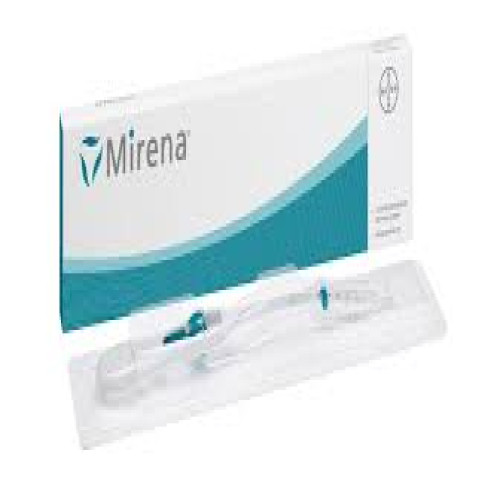
Mirena is a prescription-only, long-acting hormonal intrauterine device (IUD). It is a small, flexible T-shaped plastic frame that is inserted directly into the uterus by a trained healthcare professional.
It contains 52mg of Levonorgestrel (a progestin hormone), which it releases continuously in microscopic amounts into the womb. Mirena provides exceptionally reliable, reversible birth control for up to 8 consecutive years and is highly effective at treating heavy menstrual bleeding.
Once comfortably placed inside the uterus, Mirena acts locally on the uterine lining through multiple protective mechanisms:
Thickens Cervical Mucus: It thickens the natural mucus at the opening of the womb (cervix). This acts as a thick physical shield that stops sperm from swimming through to reach an egg.
Thins the Uterine Lining: It keeps the lining of the womb (endometrium) very thin. This prevents an egg from attaching to the wall and dramatically reduces the amount of blood lost during menstruation.
Inhibits Sperm Mobility: The local presence of the hormone alters the chemical environment inside the uterus and fallopian tubes, slowing down sperm and preventing fertilization.
Long-Term Contraception: Prevention of pregnancy for up to 8 consecutive years. It is over 99% effective, making it one of the most reliable birth control options available.
Heavy Menstrual Bleeding (Menorrhagia): Treating heavy, prolonged, or painful periods in women who choose intrauterine contraception. Many women experience a significant drop in blood flow within 3 to 6 months.
Endometrial Protection: Used off-label in some hormone replacement therapy (HRT) layouts to protect the lining of the womb from overgrowth during estrogen treatment.
A gynecologist or healthcare provider will complete a baseline pelvic screening to rule out specific factors before insertion:
Pregnancy: Mirena must strictly never be inserted if you are pregnant or suspect you might be.
Active Pelvic Infection: You must not have an active pelvic infection, such as Pelvic Inflammatory Disease (PID), severe cervical inflammation (cervicitis), or an active Sexually Transmitted Infection (STI).
Unexplained Vaginal Bleeding: If you are experiencing unusual vaginal bleeding that has not been evaluated and diagnosed by a doctor, insertion must be delayed.
Uterine Abnormalities: Fibroids or a structurally misshapen uterus that interferes with the correct placement of the T-frame.
Hormone-Sensitive Cancers: Active or past breast cancer, or other cancers sensitive to progestin hormones.
Strictly Professional Clinical Insertion Only: Mirena must never be self-inserted. It is placed inside the womb during a routine, brief office visit using a specialized sterile applicator. The procedure takes only a few minutes and may cause temporary mild cramping.
Checking the Threads: Mirena has two small, thin plastic threads attached to the base of the T-frame that hang slightly through the cervix into the top of the vagina. You should check these threads once a month after your period. Wash your hands thoroughly, insert a clean finger into your vagina, and feel for the strings at the top to ensure the device remains perfectly in place.
Rapid Reversibility: If you decide you want to become pregnant or wish to stop using it, a healthcare provider can easily remove Mirena during a simple clinic visit at any time. Your natural fertility returns to normal immediately after removal.
1.Complete a pelvic exam and pregnancy test:Pre-Check.
Your provider performs a routine examination and confirms a negative pregnancy test before approving the device for insertion.
2.Professional placement during your visit:Insertion.
The provider uses a sterile applicator to place Mirena gently into the uterus, standardly scheduled during or right after your period.
3.Verify your IUD strings once every month:Thread Check.
Gently feel for the two thin threads at the top of your vagina after each period to confirm Mirena is sitting securely in its correct position.
4.Replace or remove the device on time:8-Year Gateway.
Mark the insertion date on your health calendar. The device can remain in place for up to 8 years before requiring a routine replacement.
As your body adjusts to the local presence of the progestin hormone, you may notice typical hormonal updates, particularly during the first 3 to 6 months:
Changes in Bleeding Patterns: Frequent spotting, irregular bleeding, or light tracking between periods is highly common early on. Over time, your periods will become significantly lighter, shorter, or may stop completely (amenorrhea), which is a safe and expected therapeutic reaction.
Mild pelvic cramping, temporary backaches, or localized discomfort in the days immediately following insertion.
Mild hormonal shifts, including temporary skin breakouts (acne), breast tenderness, mild headaches, or minor mood changes.
What should I do if I cannot feel the Mirena threads during my monthly check?
If you cannot feel the threads, or if you feel the hard plastic base of the T-frame itself, the device may have shifted or slipped out of place (expulsion). Avoid pulling on the strings yourself and use a backup non-hormonal barrier method of birth control (like condoms) immediately. Contact your gynecologist or healthcare provider right away for a simple physical check or ultrasound to verify its location.
Does Mirena protect against Sexually Transmitted Infections (STIs)?
No. Mirena protects strictly against pregnancy and heavy bleeding; it does not protect against STIs or HIV. To protect yourself from infections, you must use barrier methods, such as latex condoms, during every sexual encounter alongside your intrauterine device.
Can Mirena move to other parts of my body?
Mirena stays securely inside the uterus. In extremely rare instances, standardly during the insertion procedure itself, the device can puncture or push through the wall of the uterus (perforation). If this occurs, the provider will detect it and correct it. Once securely and correctly placed, the device cannot travel or float to other organs in your body.
Intrauterine devices require strict supply chain tracking, absolute packaging sterility, and climate-controlled pharmaceutical storage to safeguard structural integrity and protect patient health. You can submit your gynecologist's or healthcare provider's clinical prescription and buy a genuine, factory-authenticated Mirena IUD system online through Sanlive Pharmacy & Stores for secure payment and fast, reliable same-day delivery directly to your home, clinic suite, or designated hospital wing within Lagos, Abuja, and Port Harcourt. We also provide nationwide delivery through our trusted specialty logistics networks to transport your essential reproductive health therapies safely anywhere in Nigeria.
Important Notice: This information is for educational support purposes only. Mirena is a prescription-only hormonal medical device. All clinical examinations, insertions, and removals must be managed exclusively under the physical care of a registered Gynecologist, certified nurse-midwife, or trained healthcare professional. If you experience a sudden high fever with severe lower abdominal pain, unusual or foul-smelling vaginal discharge, severe pain during sexual intercourse, or sudden extreme dizziness following insertion, seek immediate medical evaluation at a hospital.
No reviews yet — be the first!
Log in to write a review.