We are your trusted health partner. Local doorstep deliveries is within the hour .We are Licensed and Regulated by the Pharmacist's Council of Nigeria(PCN).Prices displayed here may differ due to inflation.
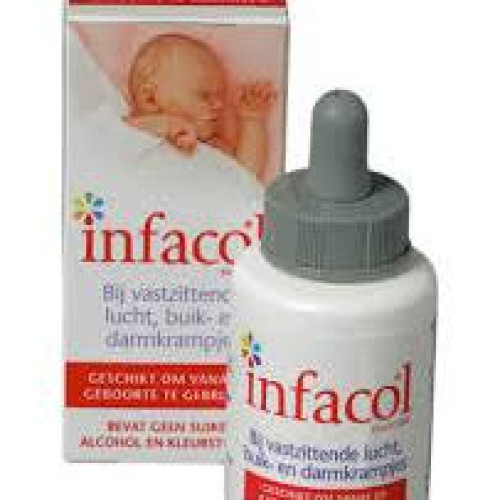
Infacol is a trusted, non-prescription antiflatulent (anti-gas) infant medication. It contains Simeticone (standardly at a concentration of 40mg per 1mL suspension) and features a pleasant, infant-friendly orange flavor.
It is administered orally to infants, newborns, and young babies using a dynamic, integrated plastic dropper. It serves as a primary supportive care line to relieve infant colic, griping pain, and abdominal wind caused by trapped gas bubbles inside a developing baby's digestive tract.
When infants feed (whether breastfed or bottle-fed), they frequently swallow small pockets of ambient air. Inside a baby's highly delicate, developing gut, this trapped air forms millions of tiny, microfine gas bubbles locked within the liquid food. Because these micro-bubbles are scattered throughout the intestines, the baby's muscles cannot easily push them out, creating local gut distension, painful stomach pressure, and intense crying cycles (colic). Infacol resolves this structural distress through a completely local, physical mechanism:
Acts as a Defoaming Agent: Simeticone is a completely inert surfactant. When it enters the stomach, it changes the surface tension of the tiny, scattered gas bubbles trapped inside the milk or food matrix.
Coalesces Micro-Bubbles Into One: By altering surface tension, it commands all the microscopic, hard-to-pass gas bubbles to burst and fuse together into a single, much larger pocket of gas.
Simplifies Wind Clearance: The baby’s stomach can easily detect and move this single large gas bubble. This allows the infant to effortlessly clear the trapped wind upward as a normal, satisfying burp or downward as flatulence, rapidly decompressing internal stomach strain.
Zero Systemic Absorption: Simeticone does not pass through the stomach lining and is never absorbed into the infant’s bloodstream. It works entirely locally in the gut and leaves the body unchanged in the baby's stool, making it exceptionally safe for newborns.
Infant Colic Relief: Easing the abdominal pain, distress, and continuous, inconsolable crying associated with infantile colic in newborns and babies.
Griping Pain and Trapped Wind: Releasing painful abdominal bloating and stomach gas caused by swallowed air during feeding cycles.
Documented Hypersensitivity: Strictly avoid if the infant has a known allergy or sensitivity to simeticone, orange flavoring, or any of the binding ingredients (such as methyl or propyl hydroxybenzoates) inside the liquid suspension.
Thyroid Medication Interferences: If your infant is being treated for congenital hypothyroidism with a thyroid medicine like Levothyroxine, you must be highly vigilant. Simeticone can chemically bind to levothyroxine in the gut, reducing its absorption. You must space them out, ensuring Infacol is not given within 4 hours of a levothyroxine dose.
The Progressive Illness Rule: Infacol is built to treat simple, normal infant gas. If your baby develops a high fever, is vomiting continuously, displays severe diarrhea, has blood in their stool, or shows zero weight gain, this is not simple colic. Stop use and take the infant to a pediatrician immediately to rule out underlying gastrointestinal infections or structural blockages.
The Progressive Build-Up Protocol: Infacol relies on a progressive action profile to continuously coat the digestive tract. It should be given consistently for several consecutive days to achieve maximum colicky relief. If symptoms show zero improvement after 3 to 4 days of continuous use, or if crying worsens, consult your pediatrician.
The Before-Each-Feed Rule: Administer the liquid before every single feed (whether breastfeeding or bottle-feeding) throughout the day and night.
The Standard Dosing Volume: The standard baseline dose is one full dropper (0.5mL) given right before a feed. If the infant’s colic is severe or stubborn, your pediatrician may safely guide you to increase the dose up to two full droppers (1.0mL) before feeds for enhanced coverage.
1.Shake the bottle thoroughly to mix the suspension:Preparation.
Wash your hands. Shake the Infacol bottle vigorously for 5 seconds to ensure the sedimented simeticone particles are completely and evenly suspended in the liquid matrix.
2.Draw up the liquid by squeezing the bulb twice:Measurement.
Unscrew the cap. Insert the dropper, squeeze the rubber bulb firmly, and release it to draw up the liquid. Squeeze the bulb a second time while inside the liquid to ensure the dropper tube is completely filled to the 0.5mL graduation line without air gaps.
3.Gently drop the liquid onto the back of the baby's tongue:Delivery Mechanics.
Cradle your baby in a slightly upright feeding position. Place the tip of the plastic dropper gently inside the baby's mouth, aiming toward the inside of the cheek or onto the back of the tongue, and press the bulb slowly to let the baby swallow the orange liquid comfortably.
4.Wipe the dropper clean and seal the bottle firmly:Sanitization.
Never wash the dropper with tap water or harsh soap, as this can introduce external bacteria into the sterile bottle. Simply wipe the outside of the dropper dry with a clean, sterile tissue paper and screw it tightly back onto the bottle.
Because simeticone acts purely mechanically and is completely excluded from systemic bloodstream absorption, Infacol possesses an exceptional safety profile and has no common or documented side effects. On exceptionally rare occasions, an infant might experience a mild, transient allergic skin rash if they are hyper-sensitive to the specific preservatives or orange flavoring agents inside the solution. If an unexpected rash or hives appear, discontinue use immediately.
Can I mix Infacol directly into my baby's warm formula milk bottle?
While it is physically possible, it is highly recommended to administer Infacol directly into the baby's mouth right before they feed. If you mix the drops into a large bottle of formula and the baby falls asleep halfway through, they will only receive a fraction of their medicine, completely neutralizing its protective anti-gas benefit. Giving it directly guarantees they ingest the full dose.
How long can I continuously use Infacol for my baby?
You can safely use Infacol every day for several weeks or months. Infant colic standardly peaks around 6 weeks of age and naturally resolves on its own by the time the baby reaches 3 to 4 months as their digestive system matures. You can continue utilizing the drops safely throughout this developmental window under your pediatrician's guidance.
How should this suspension be stored safely at home?
Keep your Infacol bottle securely capped and stored upright inside its original outer cardboard box to protect the liquid matrix from direct sunlight, dust, and moisture. Store the box in a cool room strictly below 25°C. Keep it completely out of the sight and reach of older children who might accidentally swallow large volumes of the flavored syrup.
Essential pediatric therapies and liquid suspensions require absolute supply chain protection and strictly managed, climate-controlled warehouse storage to prevent heat degradation of the stabilizing syrups in hot tropical environments. Parents, neonatal care centers, and pediatric clinics can securely buy genuine, factory-authenticated Infacol Oral Drops (imported from the UK / manufactured by Teva/Mylan) online through Sanlive Pharmacy & Stores for verified payment, secure checkout, and rapid, climate-controlled delivery directly to your home, office, or maternity suite within Lagos, Abuja, Port Harcourt, and nationwide via our trusted specialty clinical logistics networks.
Important Notice: This information is for educational and parental awareness support purposes only. Infacol is an over-the-counter anti-flatulent supplement. Your infant's overall developmental milestones, feeding schedules, and colic tracking should be reviewed under the guidance of a registered Pediatrician, Nurse, or General Physician. If an infant experiences sudden projectile vomiting, a high fever, complete refusal to feed, exhibits an unusually hard or swollen abdomen, passes blood or dark mucus in their diaper, or displays a sudden allergic facial swelling, stop use immediately and seek urgent emergency medical resuscitation at a pediatric hospital straight away.
No reviews yet — be the first!
Log in to write a review.