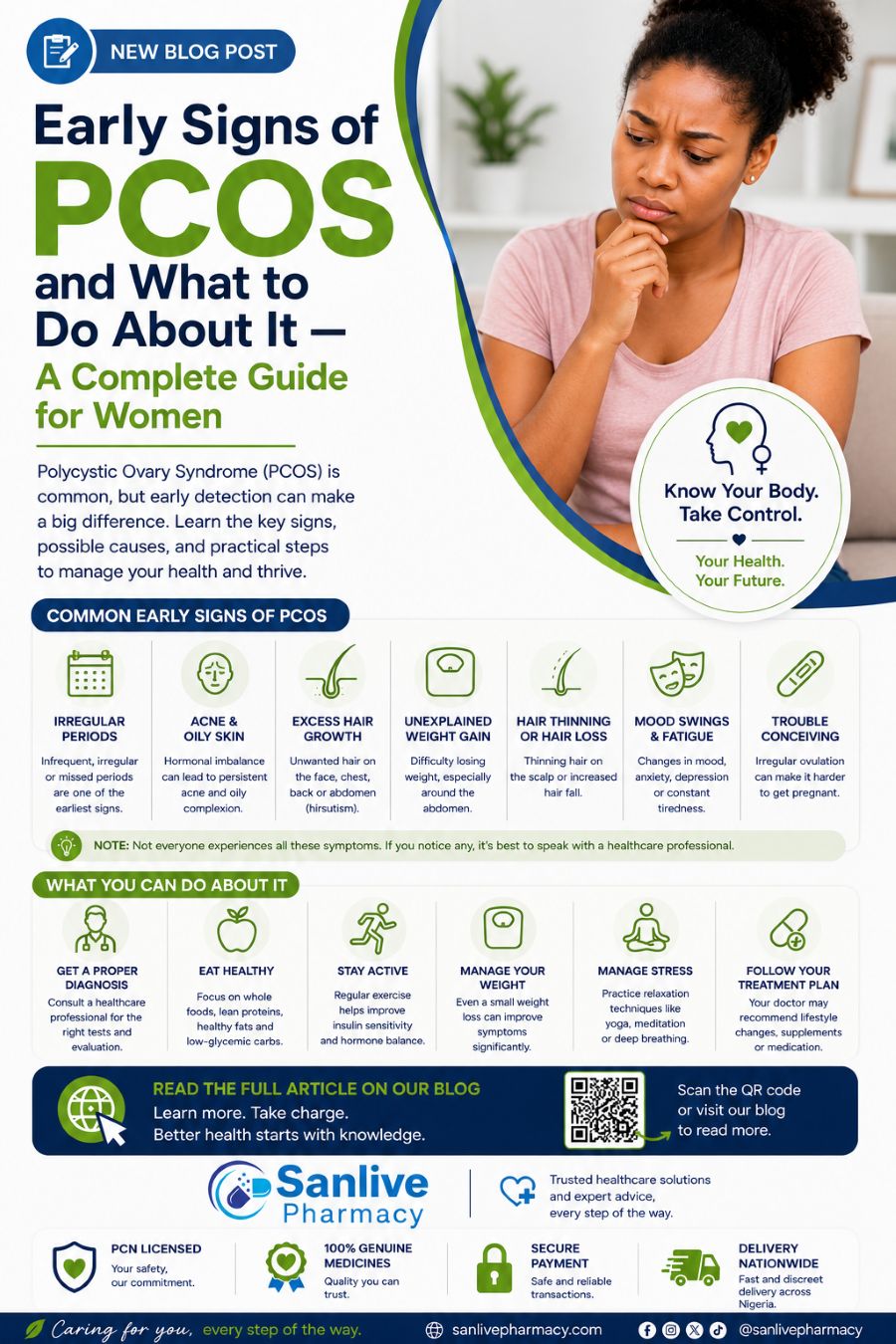
Early Signs of PCOS and What to Do About It — A Complete Guide for Women
You have been feeling off for a while. Your periods are unpredictable — sometimes missing for months, sometimes heavy and painful when they do arrive. You are gaining weight despite eating reasonably well. Your skin keeps breaking out long past your teenage years. There is more hair on your pillow than there used to be, and a few unwanted hairs appearing in places they never did before. You are exhausted, frustrated, and quietly worried that something is wrong.
For millions of women around the world, these are not random, unconnected complaints. They are the early warning signs of Polycystic Ovary Syndrome — commonly known as PCOS — one of the most common hormonal disorders affecting women of reproductive age. This guide covers everything you need to know, from the earliest warning signs to practical steps you can take right now.
If you suspect PCOS, speak with a SanLive pharmacist for free guidance while you read.
What Is PCOS?
Polycystic Ovary Syndrome is a complex hormonal and metabolic disorder that affects the ovaries and hormonal balance in women. Despite its name, PCOS is much broader than ovarian cysts. It is fundamentally a condition of hormonal imbalance, insulin resistance, and disrupted ovarian function.
In a normal menstrual cycle, the ovaries produce a dominant follicle that matures and releases an egg through ovulation. In women with PCOS, hormonal imbalances disrupt this process. Follicles begin to develop but do not fully mature or release an egg — remaining in the ovary as small, fluid-filled sacs. Without regular ovulation, the menstrual cycle becomes irregular or stops altogether. At the same time, the ovaries produce excess androgens — male hormones like testosterone — responsible for many outward symptoms including acne, unwanted hair growth, and hair thinning.
PCOS affects an estimated 1 in 10 women of reproductive age worldwide, making it the most common hormonal disorder in women. In Nigeria and across sub-Saharan Africa, increasing rates of obesity, sedentary lifestyles, and ultra-processed food consumption are driving a rise in prevalence — yet awareness remains critically low.
What Causes PCOS?
The exact cause is not fully understood, but research points to a combination of insulin resistance, which is the most common underlying driver; hormonal imbalances including elevated LH and androgens alongside low progesterone; low-grade chronic inflammation that stimulates androgen production; and genetic predisposition, since PCOS tends to run in families.
Early Signs of PCOS — What to Watch For
One of the greatest challenges with PCOS is that its symptoms are varied, gradual, and easy to attribute to other causes. Many women dismiss them individually without realising they are pieces of the same puzzle.
1. Irregular, Infrequent, or Missing Periods
This is the most classic and recognisable symptom of PCOS and often the first to appear. A normal menstrual cycle runs between 21 and 35 days, with most women experiencing 11 to 13 periods per year. Women with PCOS often have cycles that are unpredictably long — 45, 60, or 90 days or more — or they may go several months without a period altogether.
Many women are told their irregular periods are just stress or will sort themselves out. The reality is that consistently irregular cycles, particularly those longer than 35 days or fewer than eight periods per year, are not normal and always deserve investigation.
2. Unexplained Weight Gain — Especially Around the Abdomen
Many women with PCOS gain weight more easily than others and struggle disproportionately to lose it, even when diet and activity levels seem reasonable. This weight gain concentrates around the abdomen and waist rather than being evenly distributed.
This is directly linked to insulin resistance, present in up to 70 percent of women with PCOS. Chronically elevated insulin promotes fat storage, particularly visceral abdominal fat, and makes fat loss extraordinarily difficult through conventional diet and exercise alone. This is not a willpower problem — it is a metabolic problem. Beyond appearance, excess abdominal fat significantly increases the risk of type 2 diabetes, cardiovascular disease, and metabolic syndrome.
3. Acne — Particularly Along the Jawline, Chin, and Neck
Excess androgens stimulate sebaceous glands to produce excess oil, which clogs pores and creates the environment for acne-causing bacteria to thrive. PCOS acne has a characteristic pattern concentrated along the lower face — jawline, chin, around the mouth, and neck. It is often deep and cystic rather than superficial, tends to worsen before menstruation, and responds poorly to standard over-the-counter treatments that do not address the hormonal root cause.
If you have struggled with persistent, cyclical, jawline-dominant acne since your late teens or early twenties, particularly alongside any other symptoms on this list, PCOS deserves serious consideration.
4. Excessive Hair Growth in Unwanted Places (Hirsutism)
Hirsutism — the growth of coarse, dark hair where women do not typically grow significant hair — affects approximately 70 percent of women with PCOS and is one of the condition's most reliable diagnostic indicators. Excess androgens stimulate hair follicles in androgen-sensitive areas to produce thick, pigmented hair rather than the fine hair that is normal in these locations.
Common areas affected include the upper lip and chin, cheeks and sideburns, chest and stomach, inner thighs, and lower back. Hirsutism is not merely a cosmetic concern — it is a hormonal signal that androgens are elevated and the underlying condition needs addressing.
5. Hair Thinning and Hair Loss on the Scalp
While PCOS causes excess hair in unwanted places, it simultaneously causes thinning on the scalp. This female pattern hair loss follows a characteristic pattern of diffuse thinning across the crown and top of the scalp, while the hairline usually remains intact. Women often notice a widening centre parting, more hair falling during washing or brushing, a noticeably thinner ponytail, or the scalp becoming more visible through the hair.
Hair loss in PCOS is often gradual in early stages, making it easy to attribute to stress or nutritional deficiency. If hair thinning accompanies other symptoms on this list, hormonal evaluation is essential.
6. Darkening of the Skin (Acanthosis Nigricans)
A frequently overlooked symptom — particularly in women with darker skin tones — is acanthosis nigricans: dark, velvety, thickened patches of skin developing in body folds and creases. It typically appears on the back of the neck, armpits, groin, under the breasts, inner thighs, and elbows.
This skin change is a direct consequence of insulin resistance — chronically elevated insulin stimulates skin cells to proliferate and produce more pigment. Acanthosis nigricans is not a hygiene issue and cannot be scrubbed away. It is a metabolic signal. Women who notice this pattern alongside irregular periods or other PCOS symptoms should request hormonal and metabolic blood work promptly.
7. Chronic Fatigue and Low Energy
Persistent tiredness is one of the most common yet least discussed symptoms of PCOS. The exhaustion is multifactorial — insulin resistance forces the body to work harder to maintain blood sugar balance, hormonal imbalances interfere with restorative sleep, sleep apnoea occurs at significantly higher rates in women with PCOS, and chronic inflammation is inherently energy-depleting. Depression and anxiety, which occur at significantly higher rates in women with PCOS, compound physical exhaustion with emotional and mental fatigue.
8. Mood Disturbances — Anxiety, Depression, and Mood Swings
Research consistently shows that women with PCOS have significantly higher rates of depression, anxiety, and mood disorders than the general population. Fluctuating reproductive hormones directly affect neurotransmitter systems in the brain. Chronic inflammation drives depression. Insulin resistance and blood sugar volatility cause mood swings and irritability. The visible symptoms of PCOS — weight gain, acne, hair changes — significantly impact body image and self-esteem. Fertility challenges create grief, anxiety, and relationship strain.
If you have been experiencing persistent low mood or anxiety alongside physical symptoms, these experiences may all be rooted in the same hormonal imbalance.
9. Difficulty Getting Pregnant
PCOS is the leading cause of female infertility worldwide. Irregular or absent ovulation means eggs are not being released consistently, making conception difficult without intervention. This is often the symptom that finally brings women to seek answers — many women discover they have PCOS only when they begin trying to conceive and struggle to fall pregnant.
Important reassurance: a PCOS diagnosis does not mean you cannot have children. The vast majority of women with PCOS can conceive, often with relatively simple interventions such as lifestyle modification, metformin, or ovulation induction. Early diagnosis dramatically improves fertility outcomes.
✅ Browse fertility support options on SanLive Pharmacy including Letrozole, Clomid, and Metformin, delivered discreetly across Nigeria and internationally within 3 to 4 days.
10. Pelvic Pain
Some women with PCOS experience chronic or intermittent pelvic pain — a heavy, aching discomfort in the lower abdomen that may worsen around ovulation or menstruation, caused by enlarged follicle-filled ovaries and disrupted hormonal signalling. Pelvic pain should never be normalised or dismissed, as it can also indicate endometriosis, which can coexist with PCOS and requires separate evaluation.
How Is PCOS Diagnosed?
There is no single test that diagnoses PCOS. Diagnosis is based on the Rotterdam Criteria, which requires at least two of the following three features to be present: irregular or absent ovulation evidenced by irregular or missing periods; clinical or biochemical signs of excess androgens such as hirsutism, acne, hair loss, or elevated androgen levels on blood tests; and polycystic ovaries on ultrasound showing 12 or more follicles visible in one or both ovaries, or enlarged ovarian volume.
Diagnostic tests your doctor may order include:
A hormonal blood panel covering FSH, LH, testosterone, DHEAS, prolactin, oestradiol, progesterone, and AMH; a metabolic panel covering fasting glucose, fasting insulin, HbA1c, and lipid profile; thyroid function tests to rule out thyroid disorders that can mimic PCOS; pelvic ultrasound to assess ovarian morphology; and a full blood count to check for anaemia.
Note that you can have PCOS without cysts on your ovaries, and you can have cysts without having PCOS. The diagnosis is clinical and hormonal, not purely structural.
✅ Speak with a SanLive pharmacist if you need help understanding your test results or guidance on what to request from your doctor.
What to Do About PCOS — A Practical Management Guide
There is currently no cure for PCOS, but it is absolutely manageable. With the right combination of lifestyle changes, medical treatment, and ongoing support, most women with PCOS can effectively control their symptoms, regulate their cycles, protect their long-term health, and achieve their fertility goals.
1. Overhaul Your Diet — Target Insulin Resistance at Its Root
Because insulin resistance drives so much of PCOS, dietary changes that improve insulin sensitivity are the single most impactful intervention available.
The PCOS-friendly diet prioritises low-glycaemic index carbohydrates such as oats, brown rice, sweet potatoes, and legumes; plenty of protein including eggs, fish, lean chicken, beans, and lentils; healthy fats from avocados, olive oil, nuts, seeds, and fatty fish; and anti-inflammatory foods including leafy greens, berries, tomatoes, turmeric, ginger, and green tea.
Dramatically reduce added sugar, sugary drinks, pastries, and processed snacks, along with refined carbohydrates like white rice and white bread. Eat regularly, since skipping meals destabilises blood sugar and worsens hormonal disruption.
Foods particularly beneficial for PCOS include cinnamon, which improves insulin sensitivity; spearmint tea, which has mild anti-androgenic properties; flaxseeds, which help regulate oestrogen and reduce androgens; leafy greens, which are high in magnesium; and fatty fish, whose omega-3s reduce inflammation.
2. Exercise Consistently
Regular physical activity improves insulin sensitivity, lowers androgen levels, supports weight management, reduces inflammation, and can help restore ovulation. It is, quite literally, medicine for PCOS.
Strength training builds muscle mass and significantly improves insulin sensitivity — one of the most effective exercise strategies for PCOS. Moderate aerobic exercise including brisk walking, swimming, and cycling improves cardiovascular health. HIIT is particularly effective for insulin sensitivity when done in moderation, since overly intense exercise without adequate recovery can worsen cortisol levels. Yoga has been shown to reduce testosterone, improve insulin sensitivity, and significantly reduce anxiety and depression in women with PCOS.
Aim for at least 150 minutes of moderate activity per week, incorporating both cardio and strength training. Consistency matters far more than intensity.
3. Manage Your Weight
For women with PCOS who are overweight, losing just 5 to 10 percent of body weight can restore or regularise ovulation, significantly reduce androgen levels, improve acne and hirsutism, enhance fertility, reduce insulin resistance, and improve mood and quality of life.
Weight loss in PCOS must be approached through insulin-sensitising dietary strategies — not extreme calorie restriction, which can worsen cortisol and hormonal disruption. The goal is metabolic health, not just a number on the scale.
4. Consider Evidence-Based Supplements for PCOS
Several supplements have meaningful clinical evidence supporting their use in PCOS management.
Inositol (Myo-inositol and D-chiro-inositol in a 40:1 ratio) is currently the most well-researched supplement for PCOS, improving insulin sensitivity, reducing androgen levels, supporting ovulation, and improving egg quality.
Magnesium deficiency is common in PCOS, and supplementation improves insulin sensitivity, reduces inflammation, supports sleep, and reduces anxiety.
Vitamin D deficiency is extremely common in women with PCOS and is associated with worse insulin resistance and poorer fertility outcomes.
Omega-3 fatty acids reduce inflammation, lower triglycerides, improve insulin sensitivity, and provide cardiovascular protection particularly needed in PCOS.
N-Acetyl Cysteine (NAC) demonstrates insulin-sensitising and antioxidant effects comparable in some studies to metformin for improving menstrual regularity.
Zinc has anti-androgenic properties particularly useful for PCOS-related acne and hirsutism.
Chromium supports glucose metabolism and insulin sensitivity, directly relevant to the central role of insulin resistance in PCOS.
✅ Order PCOS supplements on SanLive Pharmacy — inositol, magnesium, vitamin D, omega-3, zinc, and more, delivered across Nigeria and internationally within 3 to 4 days.
5. Medical Treatment Options for PCOS
For menstrual regulation and androgen excess: the combined oral contraceptive pill regulates periods, reduces androgens, and improves acne and hirsutism; progestin therapy induces regular withdrawal bleeds and protects the uterine lining.
For insulin resistance: Metformin is the primary insulin-sensitising medication used in PCOS to improve insulin sensitivity, regulate periods, and support weight management. GLP-1 receptor agonists like semaglutide are increasingly being explored for PCOS management.
For fertility: Letrozole is currently the first-line medication for ovulation induction in PCOS; Clomiphene citrate is an older alternative still used in some settings; gonadotropin injections are for women who do not respond to oral ovulation induction; and IVF is available for women who have not achieved pregnancy through other means.
For skin and hair concerns: anti-androgen medications including spironolactone and cyproterone acetate reduce androgen activity at the skin level, improving acne and hirsutism.
✅ Order Metformin or browse fertility medications on SanLive Pharmacy — delivered discreetly in Nigeria and internationally within 3 to 4 days.
6. Prioritise Mental Health and Emotional Wellbeing
Living with PCOS — with its visible, distressing symptoms and uncertainty around fertility — takes a real psychological toll. Connect with others who understand through PCOS communities online and in person. Work with a therapist experienced in chronic health conditions. Practice mindfulness and stress management, since chronic stress worsens cortisol and androgens, directly aggravating PCOS. Educate your support network so that partners and family members can provide meaningful practical and emotional support.
7. Monitor Your Long-Term Health
PCOS is not just a reproductive condition — it is a metabolic condition with significant long-term health implications.
Long-term health risks include type 2 diabetes, for which women with PCOS have a 5 to 10 times higher risk; cardiovascular disease elevated by androgens, insulin resistance, and dyslipidaemia; endometrial cancer, since the uterine lining is not being shed regularly without ovulation; non-alcoholic fatty liver disease as a complication of insulin resistance; and sleep apnoea, which is significantly more common in women with PCOS even without obesity.
Recommended monitoring includes annual fasting blood glucose and HbA1c; annual lipid profile; blood pressure at every healthcare visit; annual pelvic examination; and regular mental health check-ins.
A Note to Nigerian Women About PCOS
PCOS awareness in Nigeria remains significantly lower than it should be. Cultural attitudes that normalise irregular periods, attribute fertility challenges to spiritual causes, or discourage women from discussing gynaecological symptoms openly mean that many Nigerian women suffer with undiagnosed PCOS for years.
Your symptoms are real. Your concerns are valid. Irregular periods are not something you simply have to accept. Unexplained weight gain, persistent acne, and unwanted hair growth deserve medical investigation — not dismissal. If you recognise yourself in this article, please take the next step.
Nigerians in the Diaspora — You Can Order Too
If you are a Nigerian woman living in the UK, USA, Canada, Australia, Europe, or the Middle East, SanLive Pharmacy ships all women's health medications and supplements internationally.
- Delivery time: 3 to 4 days to most international destinations
- Packaging: Plain, discreet, and unbranded with no indication of contents
- Support: Speak with a SanLive pharmacist before ordering for personalised guidance
Frequently Asked Questions
Can you have PCOS without cysts on your ovaries? Yes. The name is misleading. You can be diagnosed with PCOS without visible cysts on your ovaries, provided you meet two of the three Rotterdam Criteria. The diagnosis is clinical and hormonal, not purely structural.
At what age can PCOS start? PCOS typically begins around puberty, when menstrual cycles first start. However, many women are not diagnosed until their twenties or thirties when symptoms become more pronounced or fertility challenges arise.
Is PCOS curable? There is currently no cure for PCOS, but it is entirely manageable. The right combination of lifestyle changes, targeted supplementation, and medical treatment allows most women to control symptoms effectively, regulate their cycles, and achieve their fertility goals.
Can a slim woman have PCOS? Absolutely. While overweight women are more commonly affected, approximately 20 percent of women with PCOS are of normal weight. Lean PCOS often presents with more pronounced hormonal symptoms and requires its own management approach.
What is the best supplement for PCOS in Nigeria? Inositol, particularly the myo-inositol and D-chiro-inositol combination in a 40:1 ratio, has the strongest clinical evidence for PCOS management. Order inositol and other PCOS supplements on SanLive Pharmacy.
Can diaspora Nigerians order PCOS medications from SanLive Pharmacy? Yes. SanLive Pharmacy ships to the UK, USA, Canada, Australia, Europe, and the Middle East with delivery in 3 to 4 days in plain, discreet packaging.
How long does it take to see improvements in PCOS symptoms with lifestyle changes? Most women notice meaningful improvements in energy, mood, and skin within 4 to 8 weeks of consistent dietary and lifestyle changes. Menstrual cycle regularity typically improves over 3 to 6 months. Weight-related changes in androgen levels generally take 3 to 6 months as well.
The Bottom Line
PCOS is common, complex, and chronically underdiagnosed — but it is not a life sentence. With early recognition, accurate diagnosis, and the right combination of lifestyle changes, medical support, and targeted supplementation, women with PCOS can live full, healthy, fertile, and vibrant lives. Know the signs, trust your instincts, and refuse to accept "it's normal" as an answer when your body is telling you something different.
- 🔵 Browse all women's health products on SanLive Pharmacy
- 🔵 Order Inositol for PCOS
- 🔵 Order Metformin
- 🔵 Order Letrozole (Femara)
- 🔵 Order Omega-3 Fish Oil
- 🔵 Order Vitamin D
- 🔵 Speak with a SanLive Pharmacist for Free
This article is for informational and educational purposes only and does not constitute medical advice. PCOS diagnosis and treatment should always be overseen by a qualified healthcare professional. Please consult your doctor or gynaecologist if you suspect you may have PCOS. SanLive Pharmacy operates in compliance with NAFDAC regulations and international pharmaceutical standards.

.jpg)