.jpg)
Best Drugs for Joint Pain and Arthritis: Uses, Benefits & Treatment Guide
Joint pain and arthritis affect millions of people worldwide, including many individuals in Nigeria. Arthritis causes chronic inflammation, swelling, stiffness, and severe pain in the joints, making daily activities difficult.
To manage these symptoms, many people search online for terms like best drugs for joint pain, arthritis medication, joint pain relief medicine, or arthritis treatment in Nigeria. Fortunately, several effective medications can relieve pain, reduce inflammation, and slow the progression of joint damage.
What Is Arthritis?
Arthritis is an umbrella term for conditions that cause inflammation, pain, and structural damage to the joints. The most common types diagnosed include:
-
Osteoarthritis (OA): A degenerative "wear-and-tear" breakdown of joint cartilage.
-
Rheumatoid Arthritis (RA): An autoimmune condition where the body attacks its own joint linings.
-
Gout: A painful buildup of uric acid crystals, typically affecting the big toe.
-
Psoriatic Arthritis: Joint inflammation that occurs alongside the skin condition psoriasis.
Best Drugs for Joint Pain and Arthritis
Medical professionals group arthritis treatments into specific categories based on how they interact with your body.
1. Non-Steroidal Anti-Inflammatory Drugs (NSAIDs)
NSAIDs are the most common medications used to block the bodily chemicals that trigger swelling and pain.
-
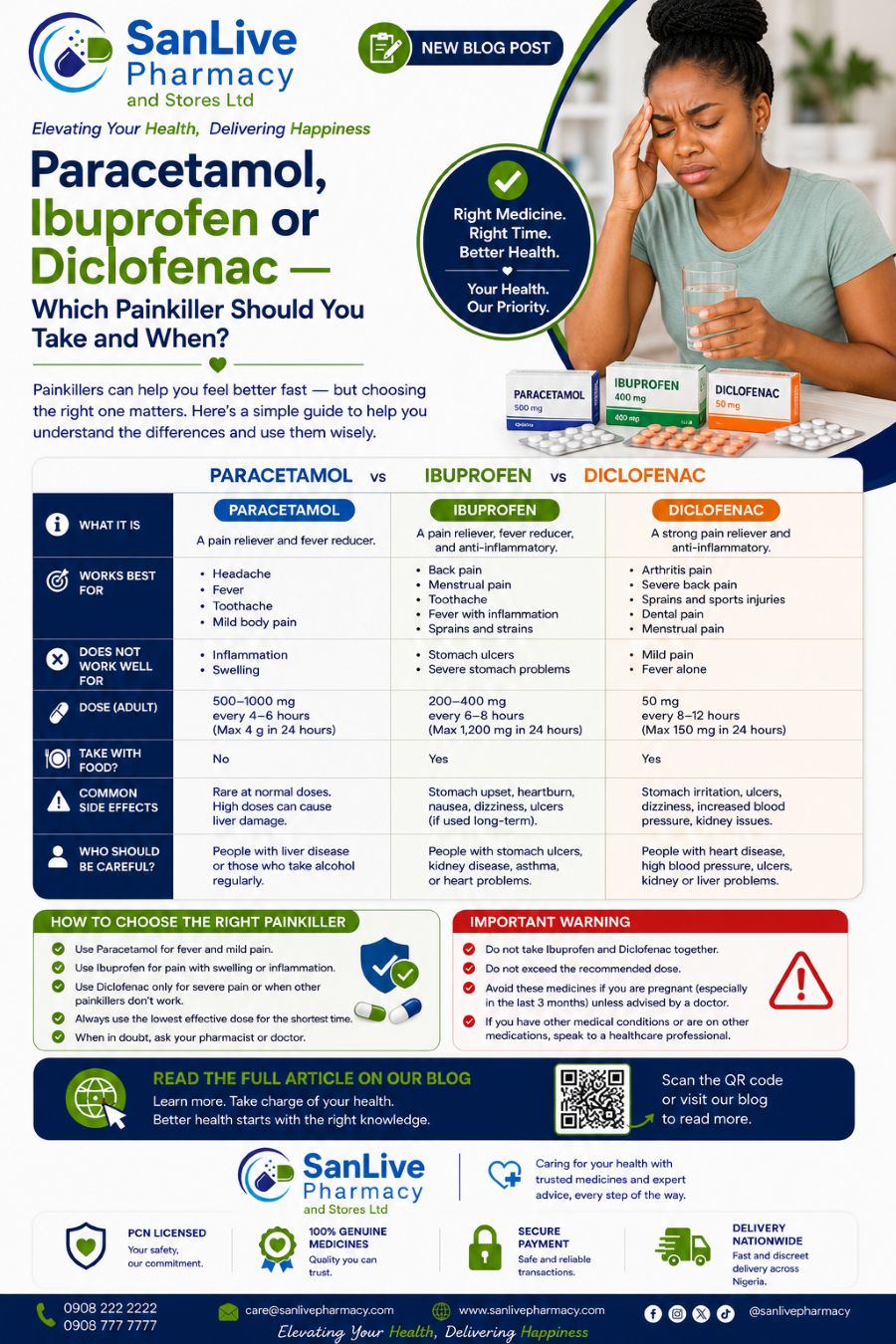
Ibuprofen: A widely accessible oral medication used to rapidly reduce acute joint pain, swelling, and stiffness. You can view options in our Analgesics & Pain Relief section.
-
Diclofenac: A potent anti-inflammatory drug available as oral tablets, topical gels, and injections. Topical diclofenac is highly effective for localized knee or hand osteoarthritis with minimal stomach side effects.
-
Naproxen: An anti-inflammatory medication preferred for its long-lasting pain relief, making it ideal for managing chronic, all-day arthritis symptoms.
-
Meloxicam: A strong, prescription-only NSAID frequently prescribed for daily management of osteoarthritis and rheumatoid arthritis when over-the-counter options fail.
2. Disease-Modifying Antirheumatic Drugs (DMARDs)
Unlike painkillers, DMARDs treat the root cause of autoimmune joint destruction.
-
Methotrexate: The clinical gold standard for rheumatoid arthritis. It suppresses the overactive immune system to slow down disease progression and prevent permanent joint deformity. Explore our specialized Prescription Arthritis Medications category for these targeted treatments.
3. Other Clinical Medications
-
Corticosteroids: Medications like Prednisone provide rapid, powerful relief from severe inflammation during acute arthritis flare-ups, but are limited to short-term use.
-
Analgesics: Pure pain relievers like Paracetamol help reduce mild to moderate joint pain but do not reduce swelling or inflammation.
-
Biologics: High-tech, bio-engineered medications that target specific inflammatory proteins to halt advanced autoimmune arthritis.
Frequently Asked Questions
What lifestyle changes help reduce joint pain?
Maintaining a healthy body weight reduces physical stress on weight-bearing joints like the knees and hips. Engaging in low-impact exercises (like swimming or walking), eating an anti-inflammatory diet rich in Omega-3, and avoiding smoking also significantly improve joint mobility.
When should I see a doctor for joint pain?
You should consult a healthcare professional if your joint pain persists for more than a few weeks, if swelling and stiffness worsen, or if the pain actively interferes with your daily activities. Early clinical intervention prevents long-term, irreversible joint damage.
Where can I buy genuine arthritis medications in Nigeria?
To guarantee medication safety and authenticity, always buy your medicine from trusted, licensed pharmacies. Sanlive Pharmacy and Stores Ltd helps individuals access quality healthcare by stocking both commonly available and hard-to-find chronic medications.
Medical Disclaimer: The information shared in this guide is strictly for educational and informational purposes. It does not substitute for professional medical advice, diagnosis, or treatment. Joint pain can stem from various underlying clinical factors; therefore, you must consult the medical experts at Sanlive Pharmacy or your primary healthcare provider to receive a verified diagnosis before applying or starting any medication regimen.