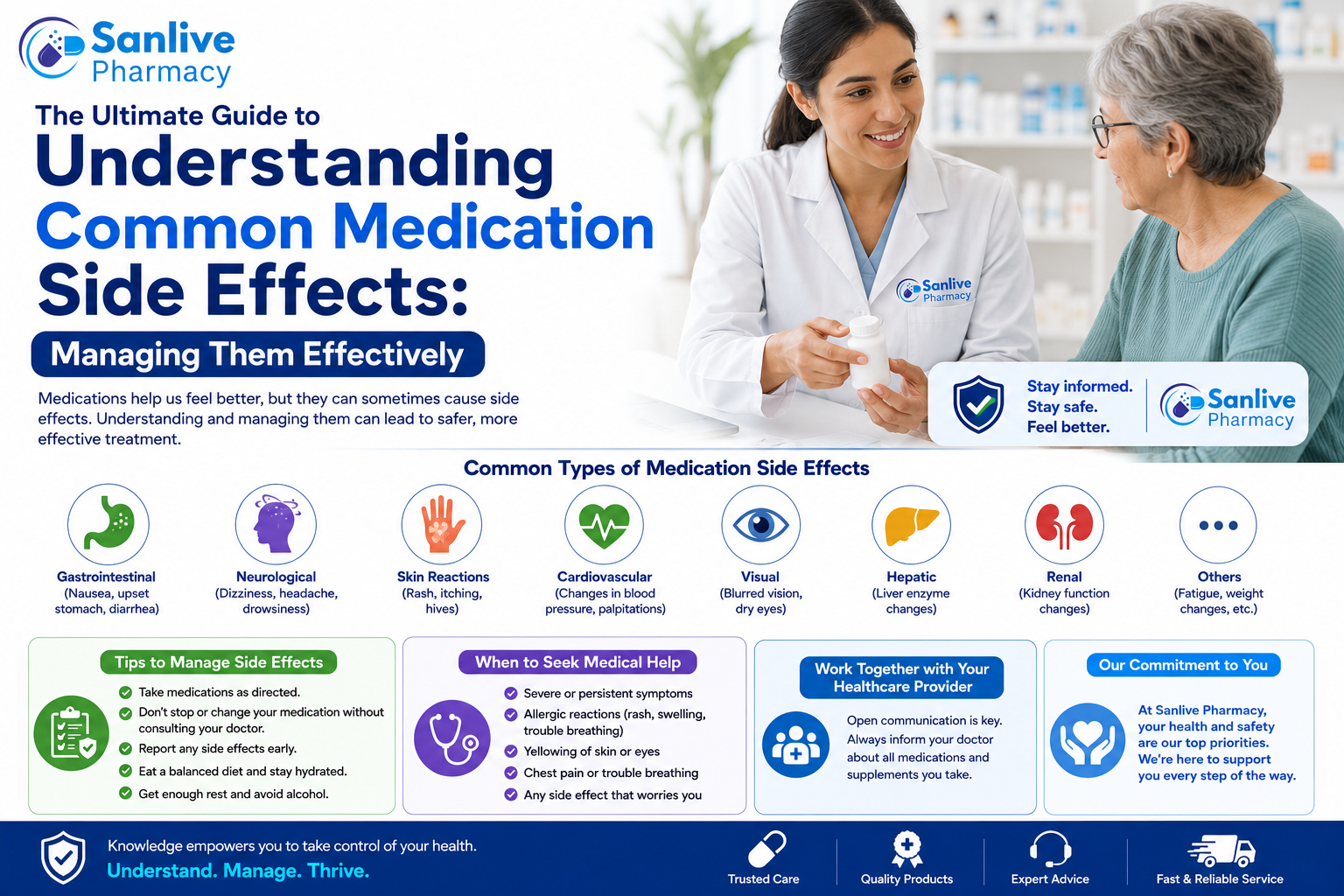
The Ultimate Guide to Understanding Common Medication Side Effects: Managing Them Effectively
Every effective medication changes how your body functions to treat an illness. Because drugs travel through your bloodstream, they can interact with healthy tissues and cause unintended secondary reactions.
Many individuals search online for answers regarding common medication side effects, how to stop drug reactions, or safest prescription drugs. Understanding why these reactions happen and knowing how to manage them ensures you stay consistent and safe with your treatment plan.
What Are Medication Side Effects?
A side effect is an unwanted but predictable physical or mental reaction that occurs alongside the intended therapeutic benefit of a drug. They can range from mild inconveniences, like a dry mouth, to severe complications that require emergency medical attention.
It is crucial to distinguish a standard side effect from an allergic reaction. While a side effect is a known pharmacological consequence of the drug, an allergic reaction involves your immune system and causes symptoms like hives, swelling of the face, or difficulty breathing.
Common Side Effects and How to Manage Them
Different categories of drugs cause distinct secondary reactions. Below are the most frequent issues patients encounter and practical ways to manage them.
1. Gastrointestinal Upset (Nausea, Vomiting, and Diarrhea)
Stomach irritation is the single most common complaint across various drug classes.
-
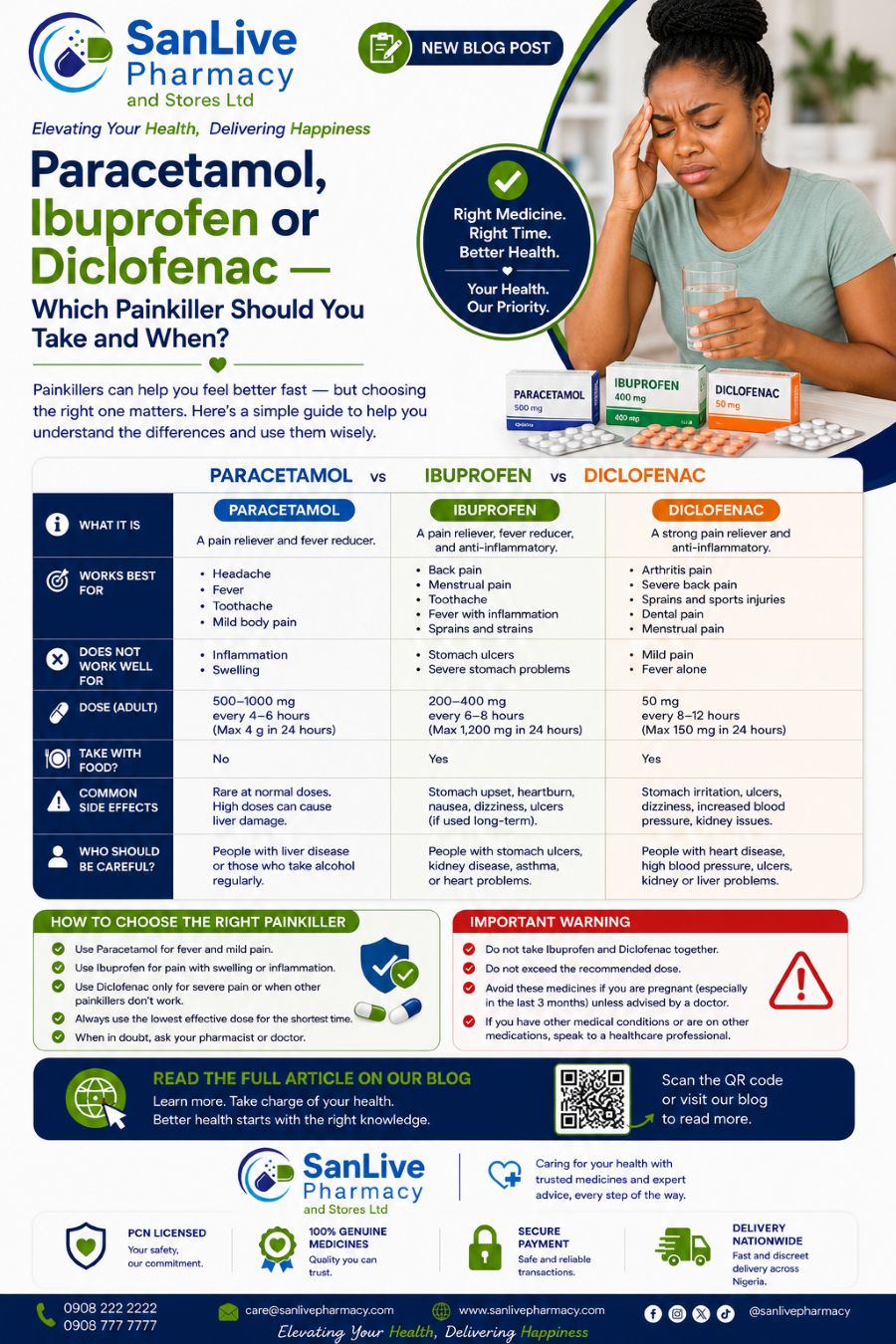
Common Triggers: Oral antibiotics, iron supplements, and traditional Analgesics & Pain Relief medications like Ibuprofen or Diclofenac.
-
Management: Unless explicitly instructed otherwise by your pharmacist, take these medications with a meal or a small snack to protect your stomach lining.
2. Drowsiness and Fatigue
Many medications affect the central nervous system, making you feel tired, dizzy, or less alert.
-
Common Triggers: First-generation antihistamines, muscle relaxants, and certain blood pressure medications.
-
Management: Take these medications right before bedtime so the peak drowsiness occurs while you sleep. Avoid operating heavy machinery or driving if a drug makes you dizzy.
3. Dizziness upon Standing (Orthostatic Hypotension)
Some medications cause a sudden drop in blood pressure when you change positions quickly.
-
Common Triggers: Antihypertensives & Heart Medications and certain diuretics.
-
Management: Take your time when transitioning from lying down or sitting to a standing position. Pause on the edge of your bed or chair for a few seconds to let your blood pressure stabilize.
4. Dry Mouth and Constipation
Certain drugs block acetylcholine, a chemical that controls involuntary muscle movements and bodily fluids.
-
Common Triggers: Tricyclic antidepressants, overactive bladder medications, and strong pain relievers.
-
Management: Stay well-hydrated by drinking water throughout the day, chew sugarless gum to stimulate saliva, and increase your dietary fiber intake to prevent constipation.
Frequently Asked Questions
What is the difference between a side effect and drug toxicity?
A side effect is an expected, minor reaction that can happen even at normal therapeutic doses. Drug toxicity occurs when there is too much of a medication in your bloodstream, often due to an incorrect dose, poor kidney function, or liver clearance issues, leading to harmful effects.
Should I stop taking my medication immediately if I experience a side effect?
No, you should never abruptly stop a prescribed treatment plan without speaking to a professional. Stopping certain medications suddenly—such as blood pressure drugs or chronic disease treatments—can cause severe rebound symptoms or cause your underlying condition to worsen rapidly.
How do drug interactions alter side effects?
Taking multiple drugs simultaneously can cause them to compete or amplify each other's traits. For instance, combining two drugs that cause drowsiness can severely impair your cognitive functions. Always review your complete supplement and prescription list with a licensed provider at Sanlive Pharmacy to flag potential interactions early.
Medical Disclaimer: The information shared in this guide is strictly for educational and informational purposes. It does not substitute for professional medical advice, diagnosis, or treatment. Individual tolerance to medications varies significantly; therefore, you must consult the medical experts at Sanlive Pharmacy or your primary healthcare provider before altering, pausing, or stopping any medication regimen due to side effects.


.jpg)