Navigating Hypertension: The Best Strategies for Managing High Blood Pressure in Nigeria (2026)
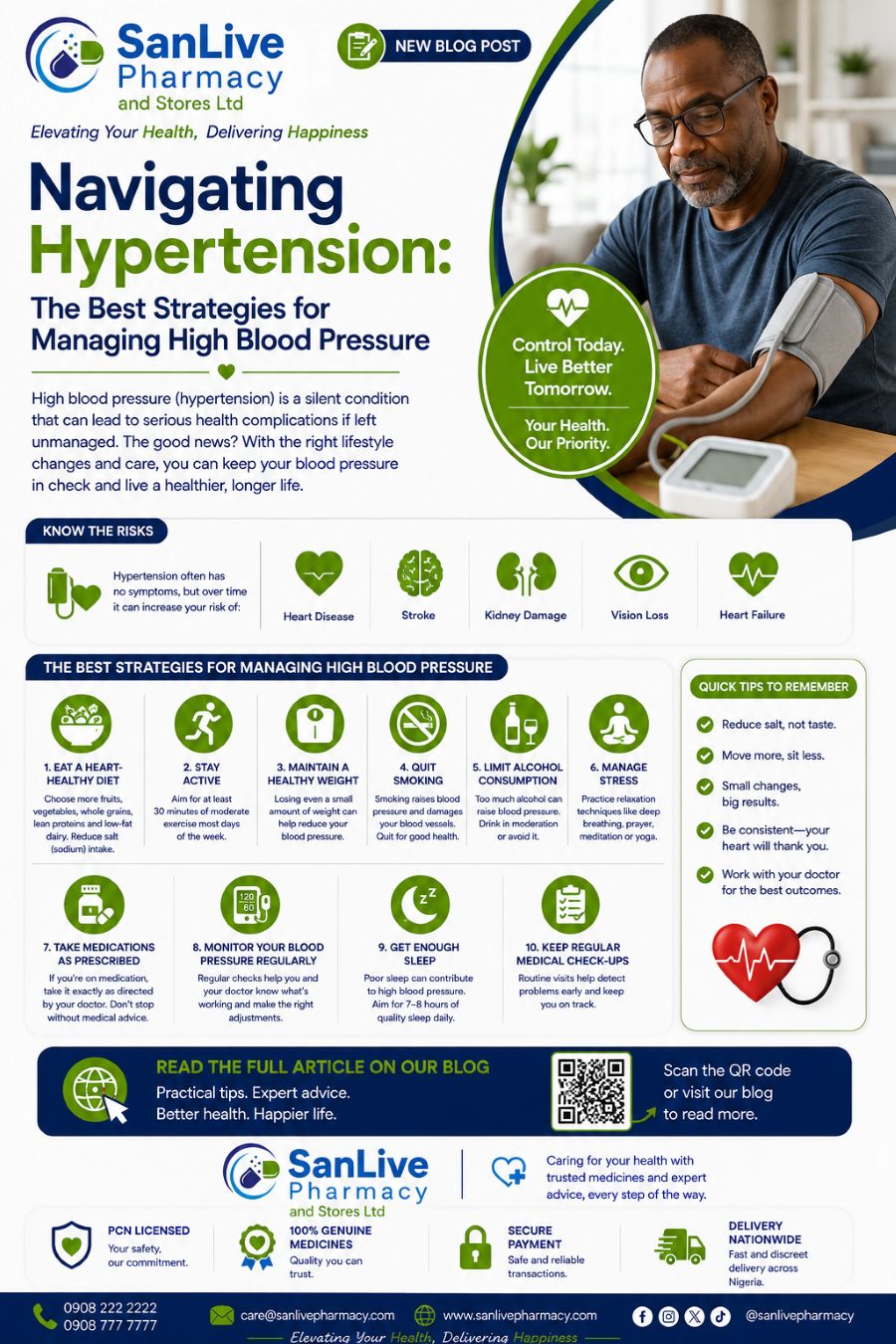
High blood pressure — medically known as hypertension — is one of the most common and most dangerous chronic conditions affecting Nigerians today. An estimated 30 to 45 percent of Nigerian adults live with hypertension, and the majority do not know it. Known as the "silent killer," hypertension causes no obvious symptoms in its early stages while silently damaging your heart, brain, kidneys, and blood vessels — dramatically increasing the risk of heart attack, stroke, kidney failure, and death.
The good news is that hypertension is both preventable and manageable. With the right combination of lifestyle changes, dietary modifications, consistent monitoring, and medication adherence where needed, most people with high blood pressure can bring their numbers under control and protect their long-term health.
This guide covers the most effective, evidence-based strategies for managing high blood pressure — tailored specifically to the Nigerian lifestyle and context.
If you need blood pressure medications, a blood pressure monitor, or free pharmacist advice on managing hypertension, speak with a SanLive pharmacist today — free, confidential, and available online nationwide and internationally.
What Is High Blood Pressure and Why Does It Matter?
Blood pressure is the force your blood exerts against the walls of your arteries as your heart pumps it around your body. It is measured in two numbers — systolic pressure (the pressure when your heart beats) over diastolic pressure (the pressure between beats) — expressed in millimetres of mercury (mmHg).
Blood pressure classification:
| Reading | Classification |
|---|---|
| Below 120/80 mmHg | Normal |
| 120–129 / below 80 mmHg | Elevated |
| 130–139 / 80–89 mmHg | High Blood Pressure Stage 1 |
| 140/90 mmHg and above | High Blood Pressure Stage 2 |
| Above 180/120 mmHg | Hypertensive Crisis — seek emergency care |
When blood pressure remains consistently elevated, it damages artery walls, forces the heart to work harder than it should, and progressively impairs the function of vital organs. Over years and decades, uncontrolled hypertension leads to heart disease, stroke, kidney disease, vision loss, and premature death — all of which are largely preventable with proper management.
Strategy 1: Overhaul Your Diet — The Foundation of Blood Pressure Control
What you eat has a more direct and measurable impact on blood pressure than almost any other lifestyle factor. Dietary changes can reduce systolic blood pressure by 8 to 14 mmHg — comparable to the effect of some medications.
The DASH Diet — the Most Evidence-Backed Eating Pattern for Hypertension
The Dietary Approaches to Stop Hypertension (DASH) eating plan is the most clinically validated dietary approach for reducing blood pressure. It prioritises fruits, vegetables, whole grains, lean proteins, and low-fat dairy products, while significantly reducing sodium, saturated fat, and added sugar.
In the Nigerian context, a DASH-aligned diet includes:
Abundant leafy greens such as ugwu, bitter leaf, waterleaf, and spinach — all rich in potassium and magnesium that directly lower blood pressure. Beans and lentils including moi moi, akara, and bean soups — high in fibre and potassium. Oats and whole grains instead of white rice and refined eba where possible. Local fish including mackerel, sardines, tilapia, and catfish — excellent lean protein and omega-3 sources. Fruits including bananas, oranges, pawpaw, guava, and watermelon — rich in potassium and antioxidants. Avocados — rich in heart-healthy monounsaturated fat and potassium.
Reduce Sodium — the Single Most Important Dietary Change
Excess sodium causes the body to retain water, increasing blood volume and consequently blood pressure. The recommended maximum is 2,300mg of sodium per day — approximately one teaspoon of salt — with 1,500mg being the target for those already diagnosed with hypertension.
Practical sodium reduction strategies in Nigeria:
Reduce the amount of salt added during cooking and at the table. Limit seasoning cubes — Maggi, Knorr, and similar products are extremely high in sodium and are used in large quantities in Nigerian cooking. Reduce intake of processed and packaged foods, canned goods, and fast food, all of which contain hidden sodium in large amounts. Use natural spices and herbs — ginger, garlic, turmeric, uziza, and others — to flavour food without sodium. Choose fresh, homemade meals over processed or restaurant food as much as possible.
Increase Potassium Intake
Potassium counteracts the blood pressure-raising effect of sodium by helping the kidneys excrete excess sodium and relaxing blood vessel walls. Most Nigerians are significantly under-consuming potassium.
Potassium-rich foods widely available in Nigeria include bananas, oranges, pawpaw, avocado, sweet potatoes, yam, beans, lentils, ugwu, and spinach.
Reduce Saturated Fat and Increase Healthy Fats
Limit red meat, fried foods, and palm oil used in excess. Increase olive oil, groundnut oil, fatty fish, avocados, nuts, and seeds — all of which support cardiovascular health and blood pressure regulation.
Strategy 2: Exercise Consistently — One of the Most Powerful Blood Pressure Medications Available
Regular physical activity is one of the most effective non-pharmacological interventions for hypertension. Consistent moderate exercise can reduce systolic blood pressure by 4 to 9 mmHg — enough to eliminate the need for medication in some Stage 1 hypertension cases.
The recommendation: At least 150 minutes of moderate-intensity aerobic activity per week — 30 minutes, five days per week.
Accessible exercise options across Nigeria include brisk walking, which is the most accessible and well-evidenced option; cycling; swimming; aerobic dancing and Zumba; skipping rope; bodyweight training at home; and jogging.
Add strength training two to three times per week alongside aerobic exercise. Resistance training builds muscle, reduces body fat, improves insulin sensitivity, and further supports blood pressure reduction.
How exercise lowers blood pressure: Regular aerobic activity strengthens the heart so it pumps more efficiently with less effort. It improves the elasticity of blood vessel walls, reduces arterial stiffness, lowers resting heart rate, reduces body fat — particularly visceral abdominal fat — and reduces stress hormones that raise blood pressure.
Consistency matters far more than intensity. A 30-minute brisk walk every day produces more sustained blood pressure benefit than occasional intense exercise.
Strategy 3: Achieve and Maintain a Healthy Weight
Excess body weight — particularly visceral fat stored around the abdomen — is one of the strongest modifiable risk factors for hypertension. Every 10kg of excess weight raises systolic blood pressure by approximately 5 to 7 mmHg.
The encouraging news is that you do not need to reach an ideal body weight to see meaningful blood pressure improvements. Losing just 5 to 10 percent of body weight produces clinically significant reductions in blood pressure — often enough to reduce medication requirements or delay the need for medication in early-stage hypertension.
Waist circumference targets for blood pressure risk:
Men should aim for a waist circumference below 94cm. Women should aim for below 80cm. Abdominal fat specifically — not total body weight — is the most important measurement for cardiovascular risk in the context of hypertension.
Weight management for hypertension is best approached through the dietary strategies outlined above combined with consistent physical activity — not extreme calorie restriction, which can worsen hormonal balance and stress hormones that raise blood pressure.
Strategy 4: Reduce Alcohol Consumption
Alcohol raises blood pressure through multiple mechanisms — it activates the sympathetic nervous system, increases cortisol, impairs kidney function, and reduces the effectiveness of antihypertensive medications.
The recommended limits are no more than one standard drink per day for women and two for men. However, for individuals with established hypertension, reducing to the lowest possible intake — or eliminating alcohol entirely — is the safest approach.
Heavy alcohol consumption — more than three drinks per day — can raise systolic blood pressure by 5 to 10 mmHg and significantly undermines any other hypertension management strategy you are pursuing.
Strategy 5: Quit Smoking — the Single Biggest Cardiovascular Decision
Every cigarette causes a temporary but significant spike in blood pressure and heart rate. Over time, smoking permanently damages artery walls, accelerates atherosclerosis — the buildup of plaque in arteries — and dramatically increases the risk of heart attack and stroke in people with hypertension.
Nicotine also reduces the effectiveness of some antihypertensive medications, meaning smokers with hypertension may require higher doses to achieve the same blood pressure control as non-smokers.
Quitting smoking does not directly lower resting blood pressure in most people, but it dramatically reduces the cardiovascular risk that makes hypertension so dangerous — and within one year of quitting, heart disease risk is cut in half.
Strategy 6: Manage Stress — Your Cortisol Raises Your Blood Pressure
Chronic psychological stress is a significant and underappreciated driver of hypertension in Nigeria. Prolonged stress maintains elevated cortisol and adrenaline — both of which raise blood pressure directly. Stress also drives secondary blood-pressure-raising behaviours including poor diet, physical inactivity, excessive alcohol consumption, and disrupted sleep.
Evidence-based stress management strategies:
Daily mindfulness or meditation even at 10 minutes reduces cortisol measurably and improves blood pressure over time. Regular physical exercise is the most potent stress reducer available and simultaneously lowers blood pressure through multiple mechanisms. Prayer and spiritual practice are associated with lower blood pressure and better cardiovascular outcomes in multiple studies — and are culturally deeply resonant for most Nigerians. Quality social connection and community involvement provide powerful psychological buffering against chronic stress. Professional counselling or therapy when stress is chronic and severe.
Strategy 7: Monitor Your Blood Pressure Regularly at Home
One of the most important — and most underused — tools in hypertension management is home blood pressure monitoring. Regular self-monitoring allows you to track the effectiveness of lifestyle changes and medication, identify patterns such as morning pressure spikes, detect white coat hypertension (elevated readings in clinical settings only), and share accurate data with your healthcare provider for better-informed treatment decisions.
How to measure accurately at home:
Sit quietly for five minutes before measuring. Keep your back supported and your feet flat on the floor. Rest your arm at heart level on a flat surface. Avoid caffeine, exercise, or smoking for 30 minutes before measuring. Take two readings one minute apart and record the average. Measure at the same time each day — ideally morning and evening.
What to record: Date and time, both readings, any relevant notes such as stress, medication timing, or unusual activity.
✅ Order a validated home blood pressure monitor on SanLive Pharmacy — accurate, easy to use, and delivered across Nigeria and internationally within 3 to 4 days.
Strategy 8: Take Medication as Prescribed — Adherence Saves Lives
For many people with hypertension — particularly those with Stage 2 hypertension or those with additional cardiovascular risk factors — lifestyle changes alone are not sufficient to control blood pressure safely. Antihypertensive medication is a critical component of treatment and must be taken consistently and correctly.
Common antihypertensive medication classes in Nigeria:
ACE inhibitors (lisinopril, enalapril, ramipril) relax blood vessels and reduce the hormonal signals that raise blood pressure. Avoid NSAIDs like ibuprofen and diclofenac while on ACE inhibitors — this combination increases kidney injury risk significantly.
ARBs (losartan, valsartan, telmisartan) work similarly to ACE inhibitors and are often better tolerated, particularly for patients who develop the dry cough associated with ACE inhibitors.
Calcium channel blockers (amlodipine, nifedipine) relax and widen blood vessels. Avoid grapefruit juice with these medications — it significantly increases drug levels and can cause dangerous blood pressure drops.
Diuretics (hydrochlorothiazide, indapamide, furosemide) reduce blood volume by promoting fluid excretion through the kidneys. Ensure adequate potassium intake alongside diuretic therapy.
Beta-blockers (atenolol, metoprolol, carvedilol) reduce heart rate and the force of the heart's contractions. Important note for diabetic patients: beta-blockers can mask the warning signs of low blood sugar.
Critical medication adherence principles:
Never stop taking antihypertensive medication without consulting your doctor — abrupt discontinuation can cause dangerous blood pressure rebound. Take medication at the same time every day to maintain consistent blood levels. Inform your pharmacist about all other medications, supplements, and herbal remedies you are taking, since interactions with antihypertensives are common and potentially serious. Report side effects to your pharmacist or doctor promptly — there are usually alternative medications that achieve the same blood pressure control with fewer side effects.
✅ Order antihypertensive medications on SanLive Pharmacy — genuine, NAFDAC-approved, and delivered discreetly across Nigeria and internationally within 3 to 4 days. Speak with a SanLive pharmacist if you have questions about your medication or potential interactions.
Strategy 9: Limit Caffeine Intake
The relationship between caffeine and blood pressure is not fully understood, but caffeine can cause a temporary spike in blood pressure — particularly in people who are not regular coffee drinkers. For individuals with hypertension, particularly those with readings that are difficult to control, reducing caffeine intake is a reasonable and low-risk intervention.
Practical caffeine reduction includes limiting coffee to one cup per day, reducing tea consumption particularly very strong tea, avoiding energy drinks entirely — which contain very high caffeine levels alongside other stimulants — and monitoring your blood pressure before and 30 to 60 minutes after caffeine consumption to assess your individual response.
Strategy 10: Increase Potassium and Magnesium — the Blood Pressure Minerals
Beyond reducing sodium, increasing dietary potassium and magnesium provides meaningful additional blood pressure benefit. These two minerals work together to relax blood vessel walls, help the kidneys manage fluid balance, and counteract the pressure-raising effects of sodium.
Potassium-rich foods in Nigeria include bananas, oranges, pawpaw, avocado, beans, lentils, sweet potatoes, yam, ugwu, spinach, and waterleaf.
Magnesium-rich foods in Nigeria include dark leafy greens, beans, lentils, nuts, seeds, whole grains, and dark chocolate at 70 percent cocoa and above.
Where dietary intake of these minerals is consistently insufficient, supplementation may be appropriate. Speak with a SanLive pharmacist before starting potassium or magnesium supplements — particularly if you are already on antihypertensive medication, since interactions can be clinically significant.
✅ Order magnesium and potassium supplements on SanLive Pharmacy — evidence-based support for blood pressure management, delivered across Nigeria and internationally.
Hypertension Management Strategy Summary
| Strategy | Expected Blood Pressure Reduction | Additional Benefit |
|---|---|---|
| DASH diet | 8–14 mmHg systolic | Reduces cardiovascular risk overall |
| Sodium reduction | 2–8 mmHg systolic | Improves kidney health |
| Regular exercise | 4–9 mmHg systolic | Improves weight, mood, metabolism |
| Weight loss (5–10%) | 5–7 mmHg per 10kg lost | Reduces diabetes risk |
| Alcohol reduction | 2–4 mmHg systolic | Improves liver and metabolic health |
| Quit smoking | Reduces cardiovascular risk | Major reduction in heart attack risk |
| Stress management | 2–5 mmHg systolic | Improves mental health and sleep |
| Medication adherence | Highly variable, often 10–15+ mmHg | Protects organs from damage |
| Potassium increase | 2–4 mmHg systolic | Supports kidney function |
| Caffeine reduction | Variable — individual dependent | Reduces anxiety and sleep disruption |
Special Considerations for Nigerian Patients with Hypertension
Hypertension and diabetes: The combination of hypertension and diabetes — both increasingly prevalent in Nigeria — dramatically elevates cardiovascular risk. Blood pressure targets are stricter for diabetic patients (below 130/80 mmHg), and medication choices must account for the interaction between antihypertensives and antidiabetic drugs.
Hypertension and kidney disease: The kidneys and blood pressure have a bidirectional relationship — hypertension damages kidneys and damaged kidneys raise blood pressure. Nigerians with chronic kidney disease require particularly careful blood pressure management and specialist oversight.
Hypertension in pregnancy: Hypertension during pregnancy — including gestational hypertension and pre-eclampsia — is a medical emergency requiring specialist obstetric and medical care. Never self-manage hypertension during pregnancy.
Hypertension and traditional medicine: Many Nigerians use herbal preparations and traditional remedies alongside antihypertensive medications — sometimes without informing their healthcare providers. Some herbal preparations interact significantly with antihypertensives, either raising or lowering blood pressure unpredictably. Always disclose all traditional remedies to your pharmacist. A SanLive pharmacist can review your complete medication list for interaction risks.
Nigerians in the Diaspora — Managing Hypertension Abroad
If you are a Nigerian living in the UK, USA, Canada, Australia, Europe, or the Middle East and need access to antihypertensive medications, blood pressure monitors, or expert pharmacist guidance, SanLive Pharmacy ships internationally.
- Delivery time: 3 to 4 days to most international destinations
- Packaging: Plain, discreet, and unbranded
- Support: Speak with a SanLive pharmacist for personalised guidance on medication management, lifestyle strategies, and monitoring
Frequently Asked Questions
Can hypertension be cured naturally without medication? Stage 1 hypertension in some individuals can be controlled through lifestyle changes alone — particularly weight loss, dietary sodium reduction, exercise, and stress management. However, Stage 2 hypertension almost always requires medication alongside lifestyle modification. Never stop prescribed antihypertensive medication without consulting your doctor. Speak with a SanLive pharmacist about what is right for your specific situation.
What is the best blood pressure medication in Nigeria? There is no single best antihypertensive — the right medication depends on your blood pressure level, your other health conditions, your age, your kidney function, and any other medications you take. ACE inhibitors, ARBs, calcium channel blockers, and diuretics are all first-line options with strong evidence. Your doctor determines the most appropriate choice for your individual profile.
How often should I check my blood pressure at home? During initial management or after any medication change, check twice daily — morning and evening. Once your blood pressure is stable and well controlled, once daily or several times per week is sufficient. Always record your readings to share with your pharmacist or doctor.
Can Nigerian food help lower blood pressure? Absolutely. Many traditional Nigerian foods are naturally blood-pressure-friendly — beans, leafy greens including ugwu and bitter leaf, local fish, sweet potatoes, unripe plantain, and fresh fruits are all excellent choices. The challenge lies in preparation — heavy salt use, seasoning cubes, and excessive palm oil can undermine otherwise healthy ingredients.
Can diaspora Nigerians order blood pressure medications from SanLive Pharmacy? Yes. SanLive Pharmacy ships antihypertensive medications and blood pressure monitors to the UK, USA, Canada, Australia, Europe, and the Middle East with delivery in 3 to 4 days in plain, discreet packaging.
The Bottom Line
Hypertension is common, silent, and potentially deadly — but it is also one of the most manageable chronic conditions when approached with the right knowledge, consistent lifestyle habits, appropriate medication, and reliable pharmaceutical support.
Start with diet. Add exercise. Monitor consistently. Take your medication without fail. Manage your stress and sleep. And partner with a pharmacy that understands your health, your context, and your needs.
- 🔵 Browse all cardiovascular and heart health products on SanLive Pharmacy
- 🔵 Order Antihypertensive Medications
- 🔵 Order a Home Blood Pressure Monitor
- 🔵 Order Magnesium Supplements
- 🔵 Order Omega-3 Fish Oil
- 🔵 Order Potassium Supplements
- 🔵 Speak with a SanLive Pharmacist for Free
This article is for informational and educational purposes only and does not constitute medical advice. Always consult a qualified healthcare professional or pharmacist before making significant lifestyle changes, starting new medications, or adjusting existing medication regimens. SanLive Pharmacy and Stores Ltd operates in compliance with NAFDAC regulations and Pharmacists Council of Nigeria (PCN) standards.

.jpg)